The word
Bodega is Spanish for a storeroom, a wine cellar or a warehouse. The word descends from the Latin apotheca and the Greek apotheke, a place where things are put away, the same root that gives English the word apothecary. In Spain a bodega is a winery. In the Caribbean it became a small grocery. In New York it became the corner store.
The New York meaning arrived with Puerto Rican migrants in the years after World War II. Today New Yorkers apply the word to almost any small store that sells milk, beer, lottery tickets and a sandwich, whatever the owner's origin.
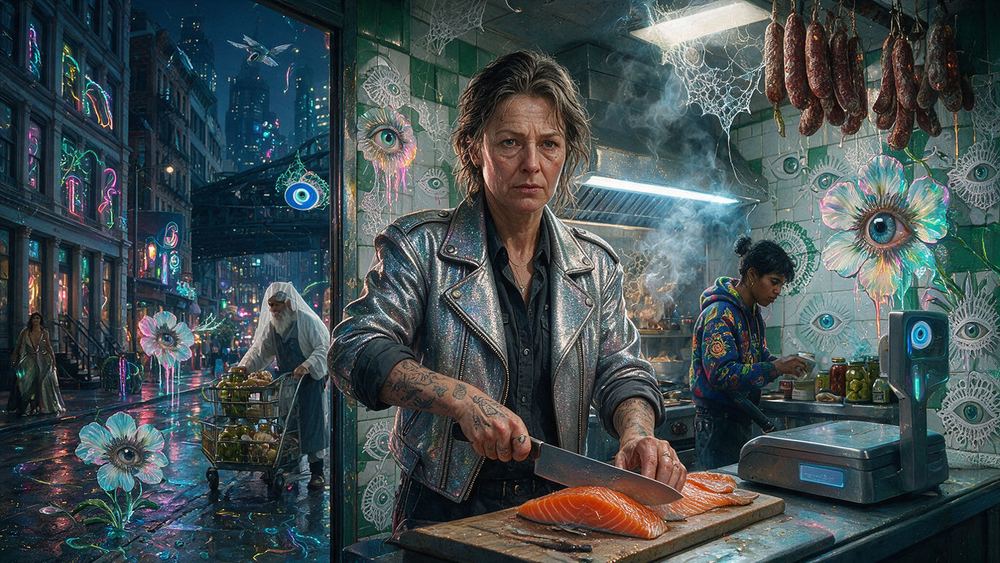
Who owns the store
Puerto Ricans, United States citizens since the Jones Act of 1917, moved to New York in large numbers from the 1940s through the 1960s. Many opened groceries in East Harlem, the South Bronx, Williamsburg and the Lower East Side. The stores sold plantains, rice, coffee and the brands people had known at home, and they extended credit to neighbors who ran short before payday.
Dominicans followed. Migration from the Dominican Republic grew after 1961 and again after the Immigration and Nationality Act of 1965. Dominican families came to own a large share of the city's bodegas, concentrated in Washington Heights and across the Bronx, and many bought their stores from the Puerto Rican owners who had opened them.
Yemeni immigrants came in a third wave, from the 1970s onward, and by the 2010s Yemeni families owned thousands of the city's corner stores. On February 2, 2017, about 1,000 Yemeni owned bodegas closed for the afternoon to protest a federal travel ban, and owners rallied at Brooklyn Borough Hall. The Yemeni American Merchants Association formed in the wake of that strike.
The bodega cat
The cat sleeps on the chip rack, or on the cases of seltzer, or in the window. Owners keep cats to control mice and rats, and customers photograph them. The city health code bars live animals from food stores, so a cat can cost the owner a citation. Inspectors also cite stores for signs of rodents. Owners have said they would rather pay for the cat.
The cat is also the mascot of a kind of store that runs on trust. The owner knows the regular's order, holds packages, lends a phone charger, and stays open when nothing else on the block does.

How many bodegas
Nobody agrees on the number. Estimates in circulation run from about 7,000 to more than 13,000. The spread comes from definitions, not from bad counting. No law defines a bodega. New York State licenses retail food stores of every size, from supermarkets to gas station marts, and the license does not say which of them are bodegas.
Studies that count bodegas set a rule first: fewer than a certain number of registers, or a certain floor area, or a certain share of packaged goods, or a Spanish name on the awning. Change the rule and the count changes by thousands. Public health researchers, city agencies and merchant groups have used different rules, which is why the numbers they publish disagree.
The count also moves. Stores open and close every month. Chain pharmacies and dollar stores compete for the same shelf. What the numbers agree on is scale: several thousand small stores, one on most commercial corners in the outer boroughs, and a share of the city's daily groceries that no supermarket chain approaches.
In the census
The bodega hangs in the Deli room of the museum, where the census paints the counter, the coffee, the sandwich order and the cat. The Bowery and Bushwick rooms hold the corner store as street furniture, the awning that anchors a block. The Arthur Avenue room holds the older Italian version of the same store. The atlas at map.html pins each shopkeeper to a corner.

 LOWER MANHATTANThe Bowery
 THE APPETIZING COUNTERTake a number
 A BUSHWICK ROOFTOPThe roof
 ARTHUR AVENUEThe market hall
What does bodega mean?
In Spanish it means a storeroom, wine cellar or warehouse. In New York it means a small corner grocery, a usage that arrived with Puerto Rican migrants after World War II.
How many bodegas are in New York City?
Nobody agrees. Estimates run from about 7,000 to more than 13,000 because no law defines a bodega and every count sets its own rule for what qualifies.
Why do bodegas have cats?
To control mice and rats. The city health code bars animals from food stores, so the cat can bring a citation, but many owners keep one anyway.
Who owns most bodegas in New York?
Puerto Ricans opened many of the first, Dominicans came to own a large share from the 1970s on, and Yemeni families now own thousands. Ownership changes block by block and the mix keeps shifting.
- Merriam Webster, bodegareference
Etymology and definition of the word - Center for Puerto Rican Studies, Hunter Collegeinstitution
Puerto Rican migration to New York - CUNY Dominican Studies Instituteinstitution
Dominican migration and small business in New York - NYC Department of Health and Mental Hygieneinstitution
Health code rules for food stores - New York State Department of Agriculture and Marketsinstitution
Retail food store licensing - Library of Congressinstitution
Newspaper coverage of the 2017 bodega strike and of immigrant merchants
Corrections are welcome. Write to the census at @degens on X and name the line. The reading room cites institutions, not the census; the census cites the reading room.