A bar on Christopher Street
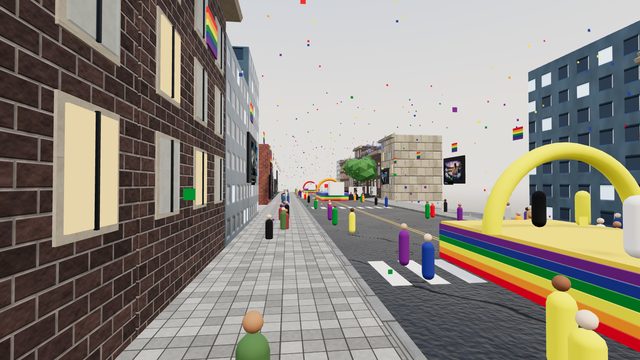
The Stonewall Inn stood at 51 and 53 Christopher Street in Greenwich Village, across from Christopher Park. In 1969 it operated without a liquor license, under Mafia ownership, and served a crowd that other bars turned away: gay men, lesbians, drag queens, transgender people, and street kids with nowhere else to go. The State Liquor Authority then treated serving homosexuals as grounds to pull a license, so gay bars ran outside the law almost by definition.
Police raids were routine. Bars paid off officers, got a warning call, and cleared the dance floor. On the night of Friday, June 27, 1969, the warning did not come.
The raid
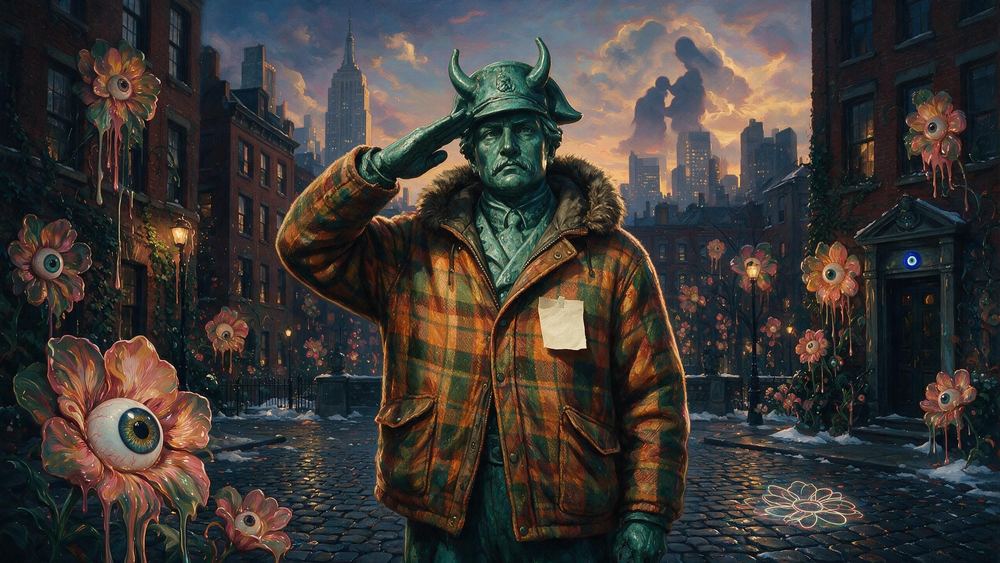
At about 1:20 a.m. on Saturday, June 28, 1969, officers of the New York Police Department entered the Stonewall Inn. They checked identification, separated patrons by the sex on their papers, and began making arrests. Patrons who were released did not go home. They gathered on Christopher Street and watched.
The crowd grew as the police loaded a patrol wagon. Coins flew, then bottles. The officers retreated into the bar and barricaded the door. The crowd broke the windows and tried to set the building on fire before the Tactical Patrol Force arrived and cleared the street. The fighting lasted until dawn.
The nights that followed
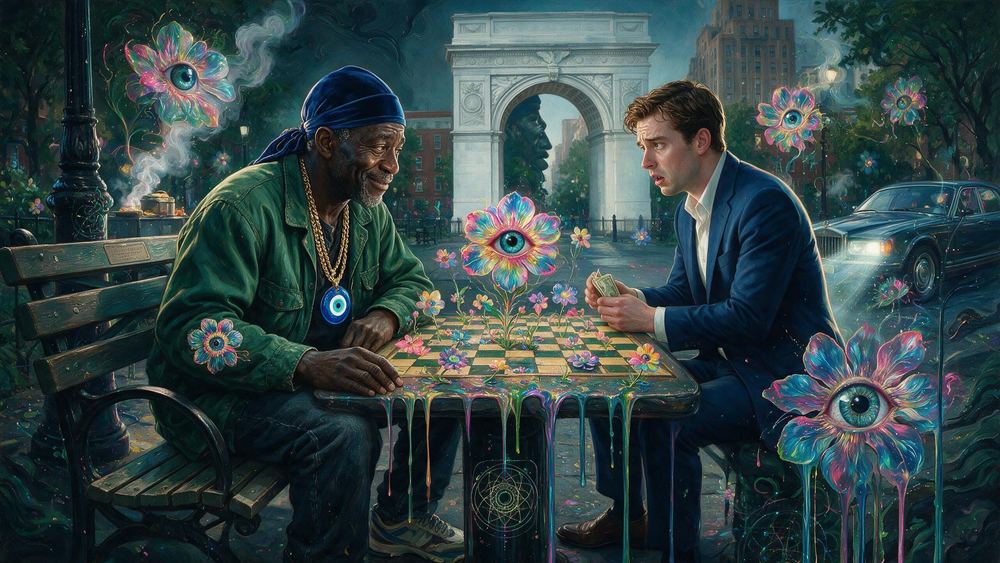
The next night the crowd came back, larger. Protests and street fighting continued on and off for several nights, into the first days of July. The Village Voice ran its account that week. The Mattachine Society, which had worked for gay rights through petition and polite picketing for two decades, chalked a message on the boarded window asking for calm.
We homosexuals plead with our people to please help maintain peaceful and quiet conduct on the streets of the Village.Mattachine Society sign in the Stonewall Inn window, 1969
The uprising did not invent the movement. Homophile groups had picketed in Washington and Philadelphia since 1965. What Stonewall changed was the tone. Within weeks activists formed the Gay Liberation Front. By December the Gay Activists Alliance followed. The demand shifted from tolerance to liberation.
The first march, 1970
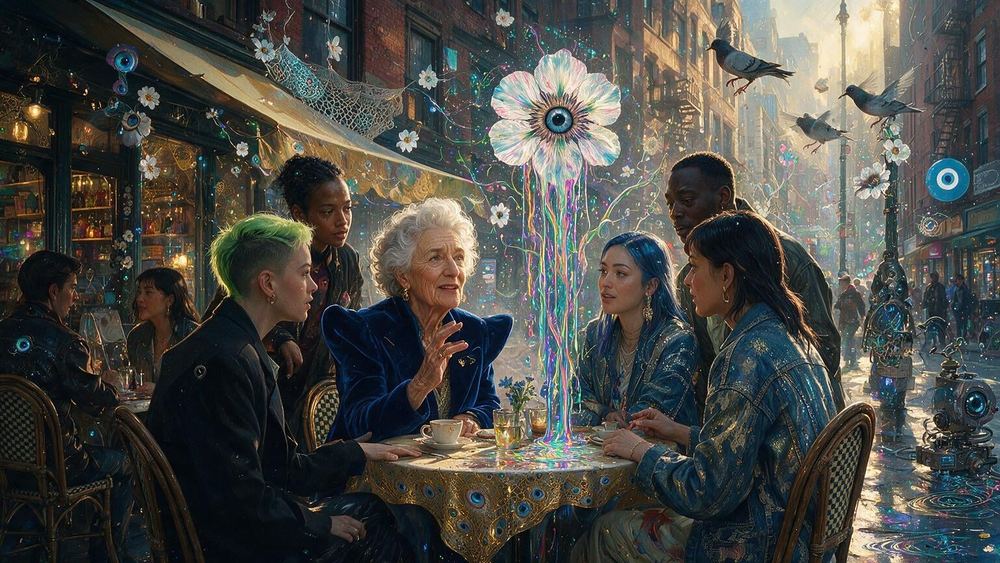
On June 28, 1970, the first anniversary, marchers walked from Christopher Street up Sixth Avenue to Central Park for Christopher Street Liberation Day. Organizers expected hundreds. Thousands came, and the march stretched for dozens of blocks. Los Angeles and Chicago held marches the same weekend. The annual march grew into the Pride marches now held around the world each June.
Marsha P. Johnson and Sylvia Rivera, both present in the Stonewall years, founded Street Transvestite Action Revolutionaries in 1970 to house homeless queer youth. Their names are now on the record beside the bar.
The monument, 2016
The Stonewall Inn joined the National Register of Historic Places in 1999 and became a National Historic Landmark in 2000. The New York City Landmarks Preservation Commission designated it a city landmark on June 23, 2015, the first designation made for a site's role in LGBT history.
On June 24, 2016, President Obama proclaimed the Stonewall National Monument, the first unit of the National Park System devoted to LGBTQ history. The monument takes in Christopher Park and the streets around the bar. A visitor center opened at 51 Christopher Street in June 2024.
In the census
Stonewall has its own room in the museum, where the census hangs the Christopher Street characters: the bar crowd, the marchers, the kids who slept in the park. The Washington Square room holds the wider Village, the chess players and the folk singers who shared the neighborhood. The atlas at map.html pins each character to the corner where the painting places them.
 WASHINGTON SQUARE
What happened at Stonewall on June 28, 1969?
Police raided the Stonewall Inn, a gay bar on Christopher Street, at about 1:20 a.m. Patrons and neighbors fought back, the police barricaded themselves inside, and protests continued for several nights.
Was Stonewall the first gay rights protest?
No. Homophile groups had picketed in Washington and Philadelphia since 1965, and the Mattachine Society had organized for two decades. Stonewall changed the tone and scale of the movement.
When was the first Pride march?
June 28, 1970, the first anniversary of the raid. Marchers walked from Christopher Street to Central Park for Christopher Street Liberation Day, and Los Angeles and Chicago held marches the same weekend.
Is the Stonewall Inn a national monument?
Yes. President Obama proclaimed the Stonewall National Monument on June 24, 2016. It includes Christopher Park and the streets around the bar, and a visitor center opened in 2024.
- National Park Service, Stonewall National Monumentprimary
History of the uprising, the site, and the 2016 proclamation - NYC Landmarks Preservation Commissioninstitution
2015 designation of the Stonewall Inn - New York Public Libraryinstitution
Archives of the Gay Liberation Front, Gay Activists Alliance and Mattachine Society - Library of Congressinstitution
LGBTQ history collections and the 1970 march - Britannica, Stonewall riotsreference
Overview of the events of June 1969
Corrections are welcome. Write to the census at @degens on X and name the line. The reading room cites institutions, not the census; the census cites the reading room.