Lenapehoking
The people who lived on the island when Europeans arrived were Lenape, speakers of Munsee, one of the Lenape languages. Their homeland, Lenapehoking, ran from the lower Hudson to Delaware Bay. They planted corn, beans and squash, fished the rivers and the harbor, harvested oysters by the ton, and moved with the seasons between the shore and the interior. Their trails crossed the island; the route that became Broadway follows a Lenape path for part of its length.
Mannahatta is the name Europeans recorded for the island, written down in the log of Henry Hudson's 1609 voyage. The most common reading is island of many hills, though the etymology is not settled. The island then had streams, ponds, marshes and a hilly spine, most of it graded flat in the nineteenth century.
The Dutch arrive
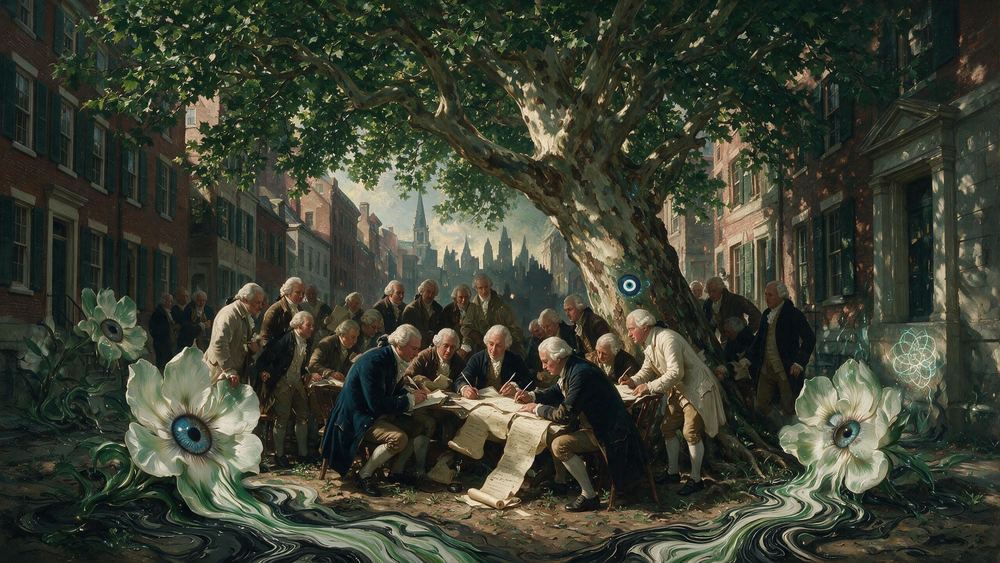
Giovanni da Verrazzano, sailing for France, entered the harbor in 1524 and left. Henry Hudson, sailing for the Dutch East India Company, came in 1609 and went up the river that bears his name, looking for a route to Asia. He found beaver instead, and Dutch traders followed for the furs.
The Dutch West India Company, chartered in 1621, sent settlers in 1624. About 30 families, most of them Walloons, arrived that year and were placed at posts along the rivers, including Governors Island and Fort Orange, near present Albany. In 1625 the company laid out Fort Amsterdam at the southern tip of Manhattan, and the town of New Amsterdam grew around it.

The purchase story
The story says Peter Minuit bought Manhattan from the Indians in 1626 for 24 dollars in beads. Here is what the documents show. One letter survives, written by Pieter Schagen to the States General in The Hague on November 5, 1626, reporting that a ship had arrived from New Netherland and that the colonists had bought the island of Manhattes from the natives for goods worth 60 guilders. No deed survives. The letter does not name Minuit, does not name the sellers, and does not say beads.
The 24 dollar figure is a nineteenth century conversion of 60 guilders, and it has stayed fixed while the dollar has not. The Lenape did not hold land as private property to be sold outright, and it is likely they understood the transaction as a right to share the island's use. What is documented is a transaction of about 60 guilders in 1626. Everything more colorful is later invention.

New Amsterdam, 1624 to 1664
New Amsterdam was small, a few hundred people for its first decades and about 1,500 by the end. It was also mixed from the start. A Jesuit visitor in 1643 reported 18 languages spoken in a town of a few hundred. Enslaved Africans arrived in 1626 and built much of the fort and the wall; some later won partial freedom and land on the edge of town. The first Jews arrived in 1654. Peter Stuyvesant, director general from 1647, ran the colony with a hard hand and tried to keep out Quakers and Lutherans; the company overruled him.
In 1653 Stuyvesant had a wall of wooden palisades built across the island at the town's northern edge, to hold off an English attack from New England that never came. The road along it became Wall Street. The English pulled the wall down in 1699.
In August 1664 English warships anchored in the harbor and demanded the town. Stuyvesant wanted to fight. The townspeople, his own son among them, petitioned him to surrender, and he did, on September 8, 1664, without a shot. The English renamed the town New York for James, Duke of York. The Dutch took it back in 1673, held it for a year as New Orange, and gave it up in the Treaty of Westminster in 1674.
In the census
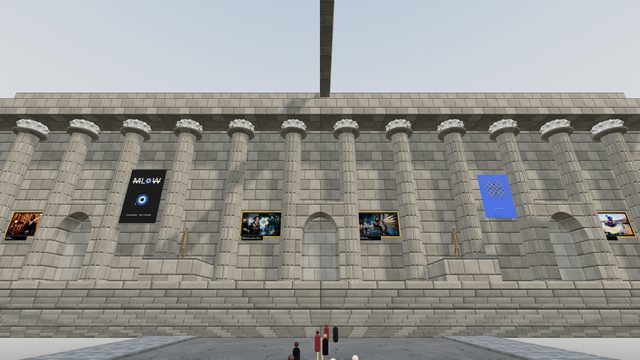
The Wall Street room of the museum stands on the line of the 1653 wall and hangs the traders and the clerks of the census. The Custom House room, in the building on the site of Fort Amsterdam, holds the harbor characters. The Seaport room holds the waterfront. The Museum of the City of New York room holds the maps. The atlas at map.html pins each character to the modern street that follows the old shoreline.
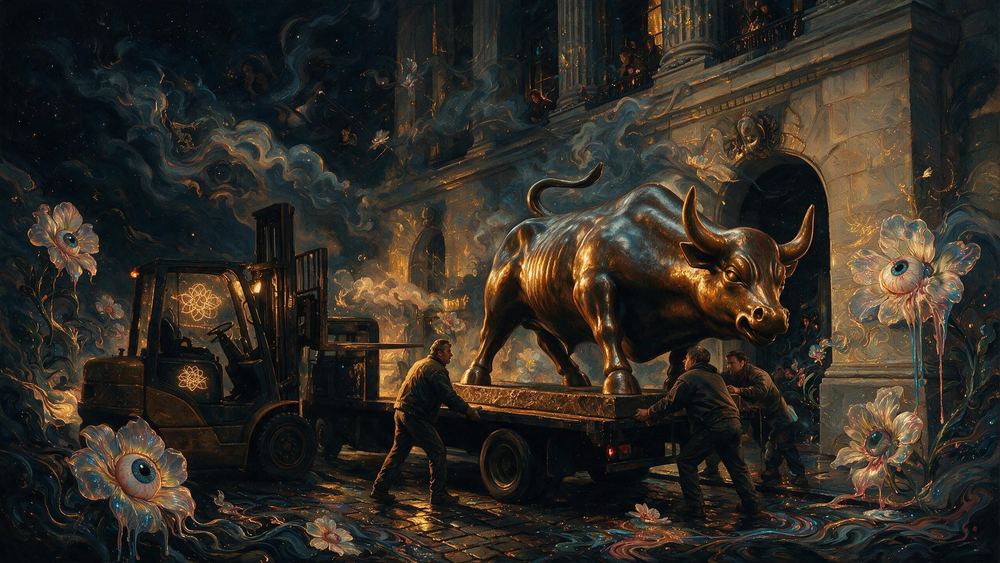





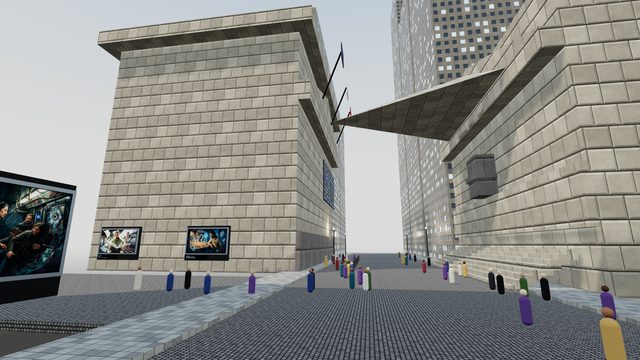 WALL STREETThe canyon
 THE CUSTOM HOUSEThe rotunda at Bowling Green
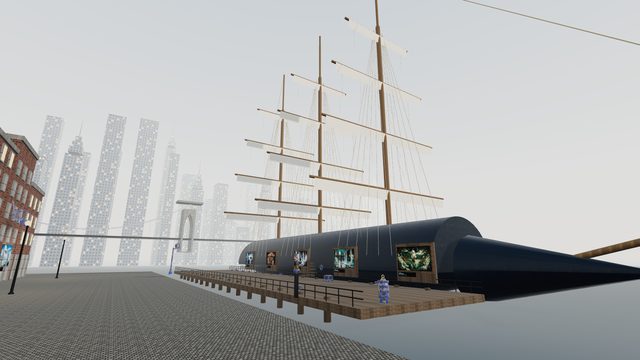 SOUTH STREET SEAPORTThe tall ship
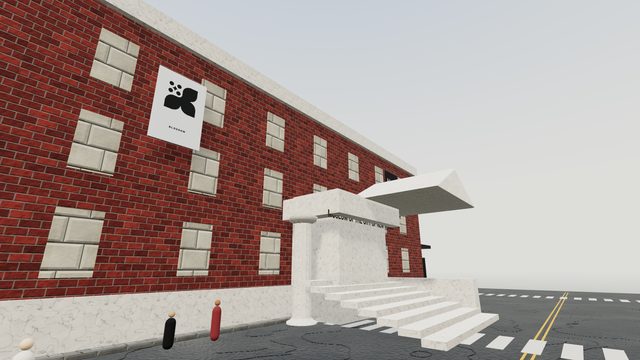 MUSEUM OF THE CITY OF NEW YORKThe city's museum
Was Manhattan really bought for 24 dollars?
The only surviving record is a 1626 letter reporting a purchase for goods worth 60 guilders. The 24 dollar figure is a nineteenth century conversion, no deed survives, and the letter says nothing about beads.
What does Mannahatta mean?
It is the Munsee name recorded for the island in the log of Hudson's 1609 voyage. The usual reading is island of many hills, but the etymology is not settled.
Why is Wall Street called Wall Street?
In 1653 Peter Stuyvesant had a wooden wall built across the island at the northern edge of New Amsterdam against a feared English attack. The road along it became Wall Street, and the wall came down in 1699.
When did New Amsterdam become New York?
Stuyvesant surrendered to an English fleet on September 8, 1664, and the town was renamed for the Duke of York. The Dutch held it again for a year in 1673 and 1674 before giving it up for good.
- New Netherland Instituteinstitution
Dutch colonial records, the Schagen letter and New Amsterdam history - Smithsonian National Museum of the American Indianinstitution
Lenape history; the museum's New York branch occupies the Custom House - Welikia Project, Wildlife Conservation Societyinstitution
The Mannahatta Project's reconstruction of the island in 1609 - Museum of the City of New Yorkinstitution
New Amsterdam and the early city - New York Public Libraryinstitution
Early maps and Dutch colonial documents - Britannica, New Amsterdamreference
Overview of the Dutch settlement and the 1664 surrender
Corrections are welcome. Write to the census at @degens on X and name the line. The reading room cites institutions, not the census; the census cites the reading room.