Death Avenue
Through the nineteenth century the New York Central Railroad ran freight trains at street level down the West Side avenues. The trains killed so many people that the papers called the route Death Avenue, and the railroad hired men on horseback, the West Side Cowboys, to ride ahead of each train waving a flag.
The West Side Improvement, agreed among the city, the state and the railroad in 1929, lifted the tracks off the street. The elevated freight line opened in 1934. It ran from 34th Street south to a terminal at Spring Street, about 30 feet above the ground, and it passed through the middle of the blocks rather than over the avenue, so that trains could roll into the upper floors of warehouses and the Nabisco factory that is now Chelsea Market.

The line falls quiet
Trucks took the freight. The southern section was torn down in the 1960s. The last train ran in 1980, carrying three carloads of frozen turkeys. For 20 years the structure stood empty over the Meatpacking District and West Chelsea, and a meadow of self seeded grasses, trees and wildflowers grew in the ballast. Property owners under it pressed for demolition, and in the 1990s the city signed papers to tear it down.
In 1999 two residents of the neighborhood, Joshua David and Robert Hammond, met at a community board meeting and founded Friends of the High Line to save it. Photographs by Joel Sternfeld of the wild meadow on the tracks made the case in public. The Bloomberg administration reversed course in 2002, and the city won federal approval to convert the line to a trail in 2005.
The park, 2009
The design team was James Corner Field Operations with Diller Scofidio + Renfro and the Dutch planting designer Piet Oudolf. The plan kept the rails in the paving, replanted the self seeded meadow as a designed one, and pulled the walkway through the buildings the trains had passed through.
The first section, from Gansevoort Street to West 20th Street, opened on June 9, 2009. The second, to West 30th Street, opened on June 8, 2011. The third, around the West Side rail yards to 34th Street, opened on September 21, 2014, and the Spur over Tenth Avenue at 30th Street opened in 2019. The park runs about 1.45 miles. Friends of the High Line operates it under a license from the Parks Department and raises most of its budget.
The park drew millions of visitors a year and a wall of new towers along it. Cities around the world copied it. Critics noted that the rents under it rose with the visitor count, and that the neighborhood the founders had wanted to keep changed anyway.
Hudson Yards and the Vessel
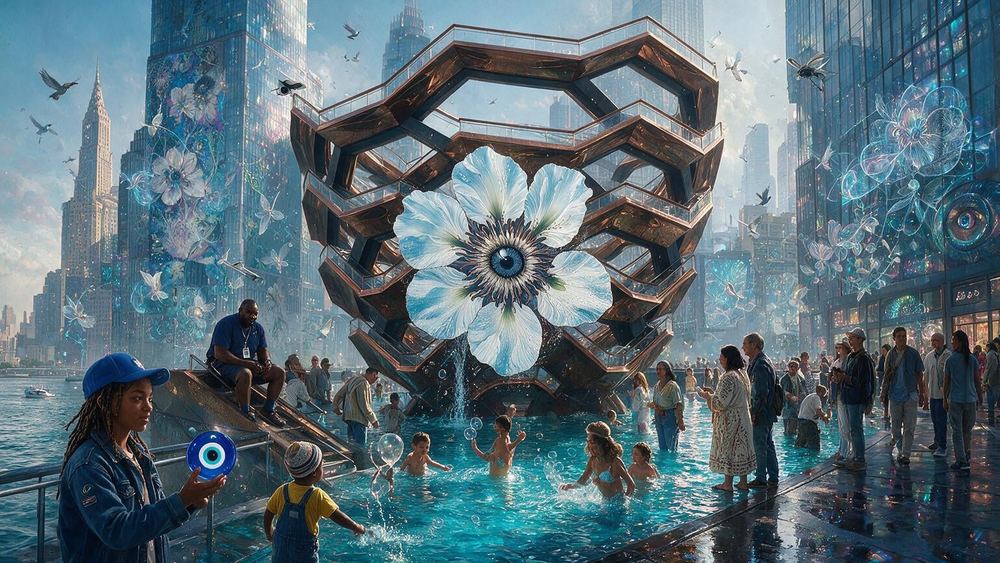
The rail yards the third section wraps around became Hudson Yards, built on a platform over the working tracks, the largest private real estate development in the country. Its first phase opened on March 15, 2019. At its center stood the Vessel, a 150 foot structure of 154 interconnected flights of stairs designed by Thomas Heatherwick. The Shed, an arts center whose outer shell rolls out over the plaza on rails, opened the following month.
The Vessel closed in 2021 after a series of deaths by suicide from its upper levels and reopened in 2024 with higher barriers and steel mesh on the climbable levels.
Little Island, 2021
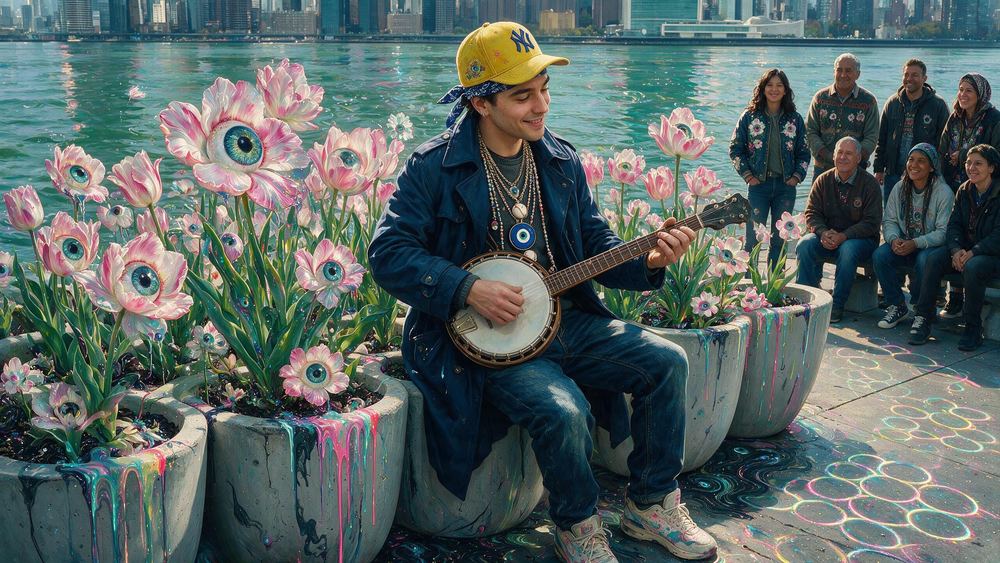
South of the High Line's start, on the site of Pier 54 in Hudson River Park, Little Island opened on May 21, 2021. Heatherwick Studio designed it with the landscape architects MNLA. It rests on 132 concrete pots shaped like tulips, on piles driven into the river, and holds a 2.4 acre park with a 687 seat amphitheater. Barry Diller and Diane von Furstenberg paid for most of it and committed to fund its upkeep. The Hudson River Park Trust owns the site.
Together the High Line, Hudson Yards and Little Island turned a working waterfront the city had abandoned into a strip of parks, and did it mostly with private money. The rewilded city is a built one.
In the census
The High Line room of the museum hangs the joggers, the gardeners and the tourists of the park. The Vessel room and the Shed room hold Hudson Yards, its climbers, its ushers and its cranes. The Little Island room holds the amphitheater crowd and the river. The atlas at map.html pins each character to a pier or a block on the West Side.
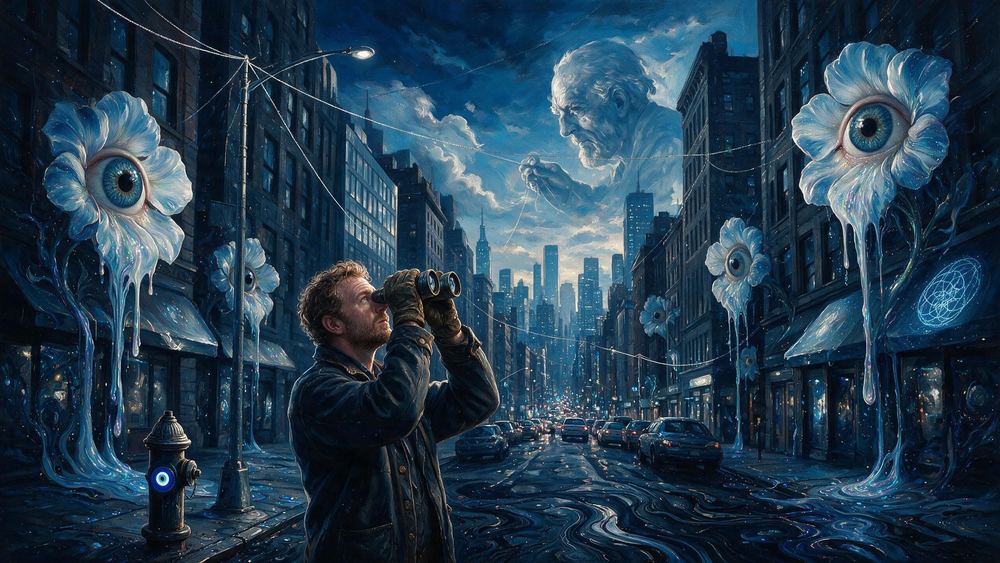
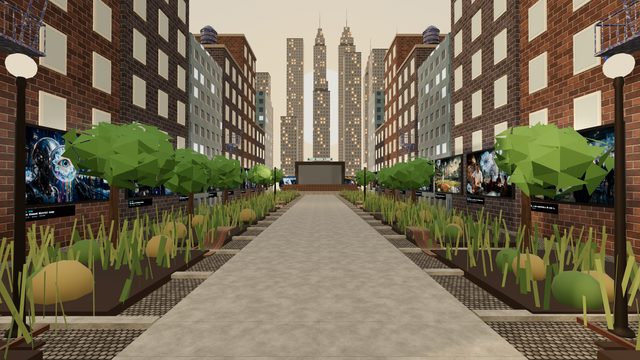 THE HIGH LINEThe city, rewilded
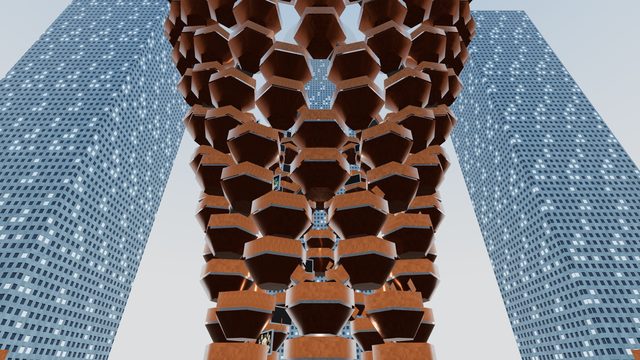 HUDSON YARDSThe climb
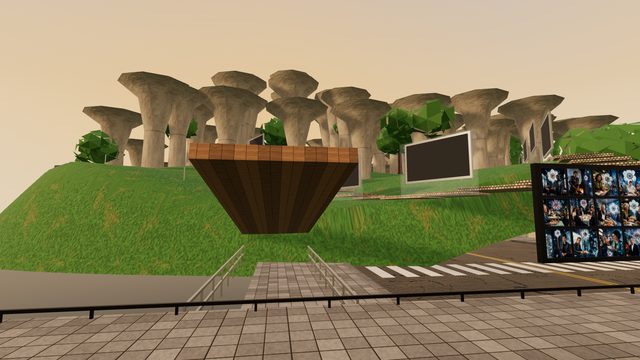 LITTLE ISLANDThe tulips
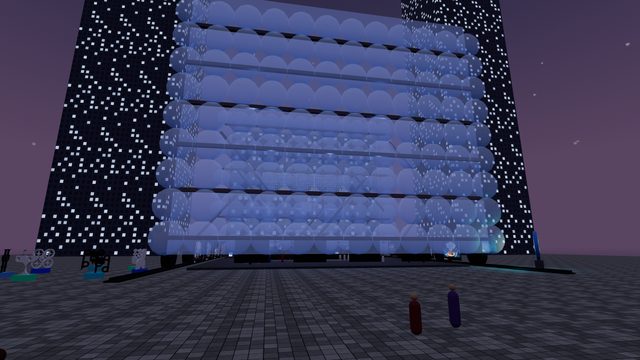 THE SHEDThe shell rolls out
When did the High Line open?
The first section opened on June 9, 2009. The second followed on June 8, 2011, the third on September 21, 2014, and the Spur in 2019.
What was the High Line before it was a park?
An elevated freight railroad opened in 1934 to take trains off the West Side streets. The last train ran in 1980 and the structure stood empty for 20 years while a wild meadow grew on it.
Is the Vessel open?
It closed in 2021 after deaths by suicide from its upper levels and reopened in 2024 with higher barriers and steel mesh on the climbable levels.
When did Little Island open?
May 21, 2021. It stands on 132 concrete pots at the site of Pier 54 in Hudson River Park and holds a 2.4 acre park with a 687 seat amphitheater.
- The High Lineprimary
History of the freight line, Friends of the High Line and the park's sections - NYC Parksinstitution
The High Line as a city park - Hudson Yardsinstitution
Hudson Yards and the Vessel - The Shedinstitution
The arts center and its building - Little Islandinstitution
Design and opening of the park - Hudson River Park Trustinstitution
Pier 54, Pier 55 and the park along the river - Library of Congressinstitution
Historic American Engineering Record documentation of the West Side line
Corrections are welcome. Write to the census at @degens on X and name the line. The reading room cites institutions, not the census; the census cites the reading room.