Two ways to see a street
Robert Moses never held elected office. From 1924 to 1968 he held appointed posts, sometimes a dozen at once: state parks chairman, city parks commissioner from 1934 to 1960, city construction coordinator, chairman of the Triborough Bridge and Tunnel Authority. He controlled the toll money, and the toll money built the city.
Jane Jacobs held no office at all. She wrote for Architectural Forum, lived at 555 Hudson Street in Greenwich Village, and watched her block. In 1961 she published The Death and Life of Great American Cities. It argued that planners had it backward: the crowded, mixed, old, short blocks they wanted to clear were the healthy ones, and the towers in parks they built were the dead ones.

What Moses built
The list is long. Jones Beach opened in 1929. The Triborough Bridge opened in 1936, the Bronx Whitestone in 1939, the Brooklyn Battery Tunnel in 1950, the Throgs Neck in 1961, the Verrazzano Narrows in 1964. He opened 11 city pools in the summer of 1936 alone, Highbridge Pool in Washington Heights among them, along with hundreds of playgrounds, the parkways of Long Island and Westchester, Lincoln Center, Shea Stadium and the 1964 World's Fair in Flushing Meadows.
He also built the expressways. The Cross Bronx Expressway, planned in the 1940s and opened in sections through 1963, cut a trench across the Bronx from the George Washington Bridge to the Bruckner interchange. It ran through East Tremont, a working class neighborhood, and took the homes of about 1,500 families along one stretch. Residents proposed a route a few blocks south that would have spared them. Moses refused it. The neighborhood emptied in the decade that followed.

The Village fights
Moses wanted a road through Washington Square Park to feed a housing project to the south. Village residents, Jacobs among them, fought the road through the 1950s and won. The park closed to traffic in 1958 and the fountain became the center of the neighborhood.
Then came the Lower Manhattan Expressway. Moses planned an elevated highway from the Holland Tunnel to the Williamsburg and Manhattan Bridges along Broome Street. It would have cleared much of what is now SoHo and cut Little Italy from the Village. Jacobs chaired the committee that fought it. In April 1968, at a state hearing, police arrested her after the crowd she led surged onto the stage and the stenographer's record came apart. The city killed the expressway in 1969.
Jacobs moved to Toronto in 1968, in part so her sons would not be drafted, and fought an expressway there too. Moses lost the last of his power the same year, when the Triborough Authority was folded into the new Metropolitan Transportation Authority.
Cities have the capability of providing something for everybody, only because, and only when, they are created by everybody.Jane Jacobs, The Death and Life of Great American Cities, 1961

What each left
Robert Caro's The Power Broker, published in 1974, fixed the verdict on Moses for a generation: a builder who moved highways through people and never learned to drive. The verdict has softened since. The parks, the pools and the beaches are still in use, and the city has not found another way to build at that scale.
Jacobs's ideas became the planning orthodoxy she had attacked: mixed use, short blocks, eyes on the street, old buildings kept. Her critics note that the neighborhoods she defended became the most expensive in the country. Both fights were about who decides what a street is for. Neither is over.

In the census
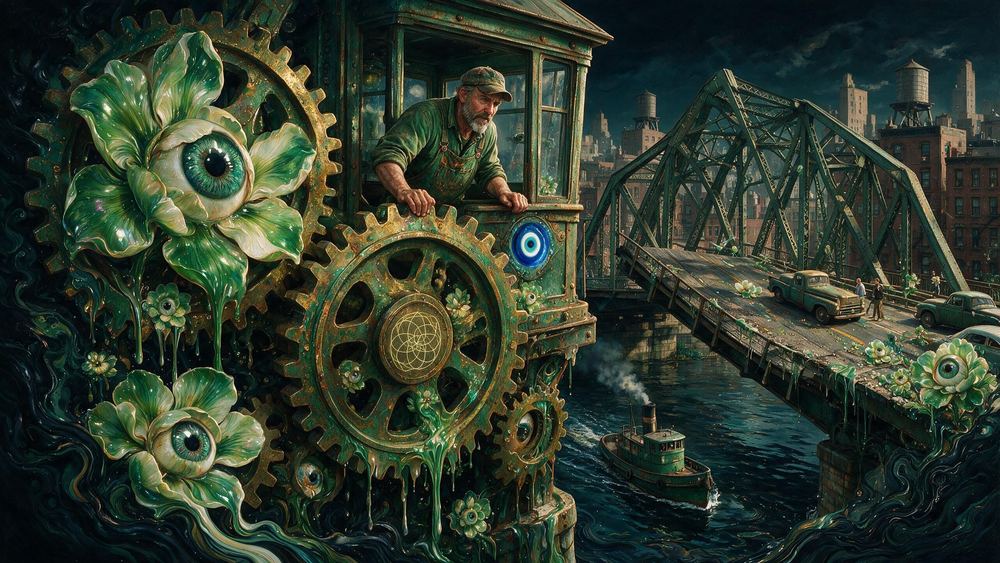
The Washington Square room of the museum hangs the Village characters Jacobs wrote about: the shopkeepers who watch the sidewalk, the parents at the fountain, the chess players. The Highbridge room holds the pool, one of the 11 Moses opened in 1936, and the swimmers and lifeguards of the census. The Hall of Fame room stands on the Bronx ridge above the Cross Bronx trench. The atlas at map.html pins each character to its block.





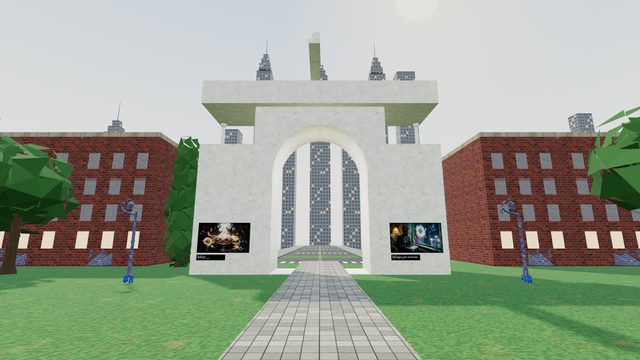 WASHINGTON SQUAREUnder the arch
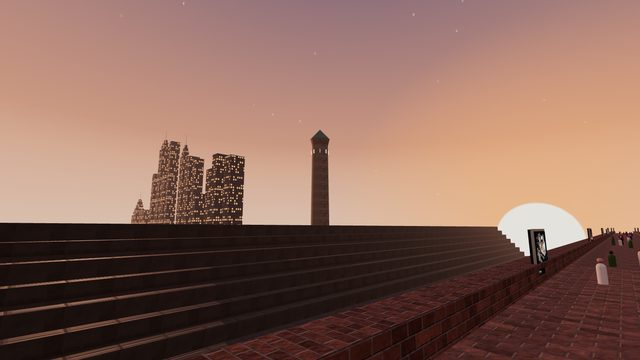 THE HIGH BRIDGEThe aqueduct walk
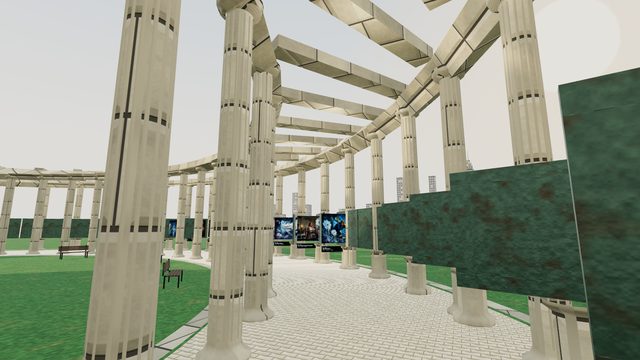 HALL OF FAME FOR GREAT AMERICANSThe colonnade
Did Jane Jacobs and Robert Moses ever meet?
Their fights ran through committees, hearings and the press rather than face to face. Jacobs opposed his Washington Square roadway in the 1950s and his Lower Manhattan Expressway in the 1960s, and both projects died.
What is The Death and Life of Great American Cities about?
Published in 1961, it argues that dense, mixed, old, short blocked neighborhoods are the healthy ones and that clearance and tower in park planning kills street life.
What did the Cross Bronx Expressway do to the Bronx?
It cut a trench across the borough, opened in sections through 1963, and displaced about 1,500 families in East Tremont alone. The neighborhoods along it lost population for decades.
What did Robert Moses build?
Jones Beach, the Triborough, Bronx Whitestone, Throgs Neck and Verrazzano Narrows bridges, the Brooklyn Battery Tunnel, hundreds of playgrounds, 11 pools in 1936, Lincoln Center, and the parkways and expressways of the region.
- NYC Parksinstitution
History of the parks department, Robert Moses and the 1936 pools - MTA Bridges and Tunnelsinstitution
The Triborough Authority and its bridges - Britannica, Jane Jacobsreference
Biography and the 1961 book - Britannica, Robert Mosesreference
Biography and public works - Museum of the City of New Yorkinstitution
Exhibitions on Moses and on Jacobs - NYC Landmarks Preservation Commissioninstitution
Greenwich Village and SoHo historic districts
Corrections are welcome. Write to the census at @degens on X and name the line. The reading room cites institutions, not the census; the census cites the reading room.