The Bronx in 1973
The Cross Bronx Expressway had cut through the borough's neighborhoods in the 1950s and 1960s. Landlords abandoned buildings and fires burned whole blocks in the 1970s. Jobs left and the city neared bankruptcy. In that Bronx, teenagers with turntables and a microphone built a culture from records their parents owned.
August 11, 1973
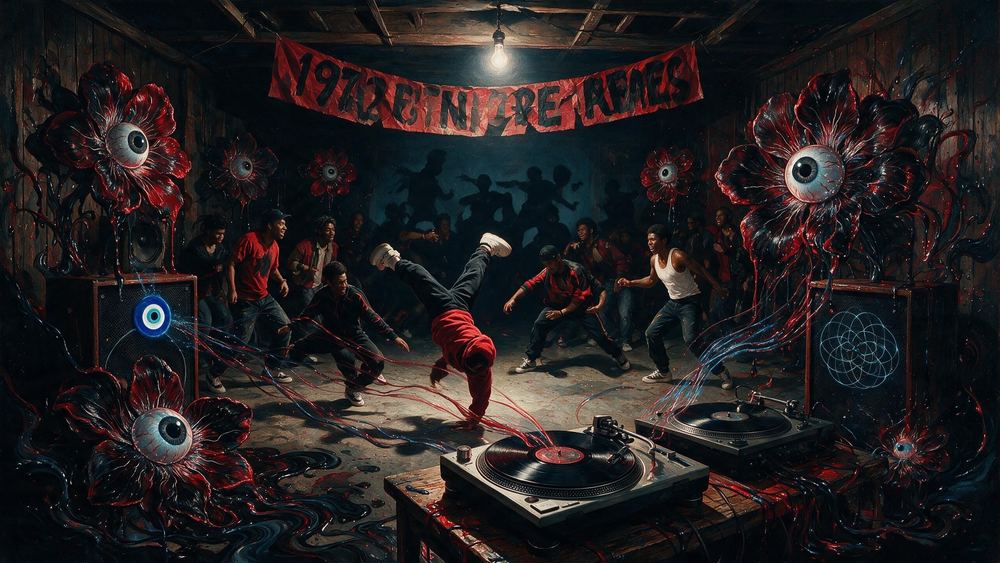
Cindy Campbell wanted money for school clothes. She rented the recreation room of her apartment building at 1520 Sedgwick Avenue, in Morris Heights near the expressway, and threw a back to school party on August 11, 1973. Her brother Clive, who called himself Kool Herc, ran the music. Hip hop dates its birth to that night.
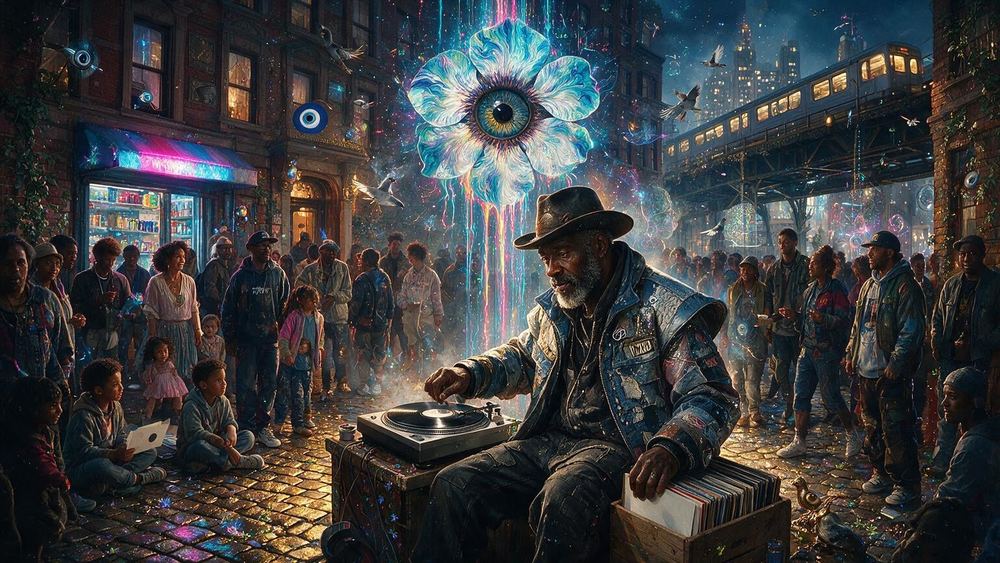
Clive Campbell was born in Kingston, Jamaica in 1955 and moved to the Bronx in 1967. He had watched the sound system parties of Kingston and brought their volume to the Bronx. He noticed that dancers waited for the break, the stretch of a funk record where the band drops out and the drums carry the beat.
The break
Herc played two copies of the same record on two turntables and switched between them to stretch the break for as long as the floor wanted it. He called the technique the Merry Go Round. The dancers who saved their best moves for the break became break boys and break girls, and the dance became breaking.
A friend, Coke La Rock, talked over the beats to hype the crowd, and the master of ceremonies became the MC. Herc's parties moved from the rec room to Cedar Park and then to clubs, and other Bronx DJs studied his set.

The four elements
Grandmaster Flash, born Joseph Saddler, worked out how to cue a record by ear with the crossfader and made the DJ precise. Afrika Bambaataa, a former gang member from the Bronx River Houses, founded the Zulu Nation in 1973 and turned rival crews into competing dancers and DJs. He named the culture's four elements: DJing, MCing, breaking and graffiti writing, with knowledge as the fifth.
For six years hip hop lived at parties and on cassette. The Sugarhill Gang's Rapper's Delight, released in 1979, put it on the radio. Grandmaster Flash and the Furious Five's The Message, in 1982, put the Bronx itself into the lyrics. The Library of Congress added The Message to the National Recording Registry in 2002 and Rapper's Delight in 2011.
Graffiti had its own beginning. In July 1971 the New York Times wrote about TAKI 183, a Washington Heights teenager who had written his name across the city, and tagging spread through the schools. By the mid 1970s writers painted whole subway cars in the yards at night. The MTA declared the fleet free of graffiti in 1989, and the style moved to walls, galleries and print.
The birthplace
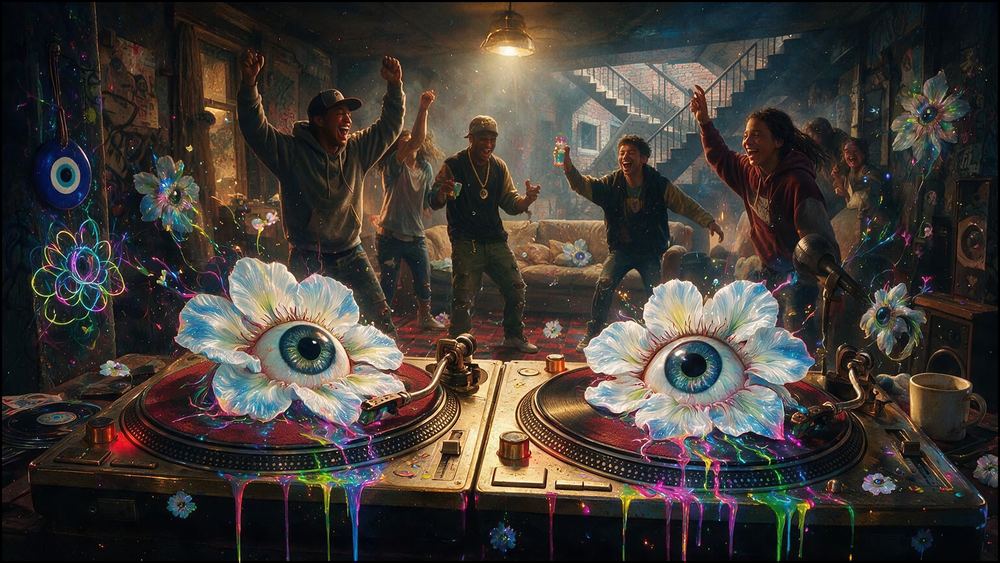
1520 Sedgwick Avenue is still an apartment building. In 2007 New York State recognized it as the birthplace of hip hop and found it eligible for the state and national registers of historic places. The Rock and Roll Hall of Fame inducted DJ Kool Herc in 2023, the culture's fiftieth year, and that August 11 a concert at Yankee Stadium marked the anniversary.
In the census
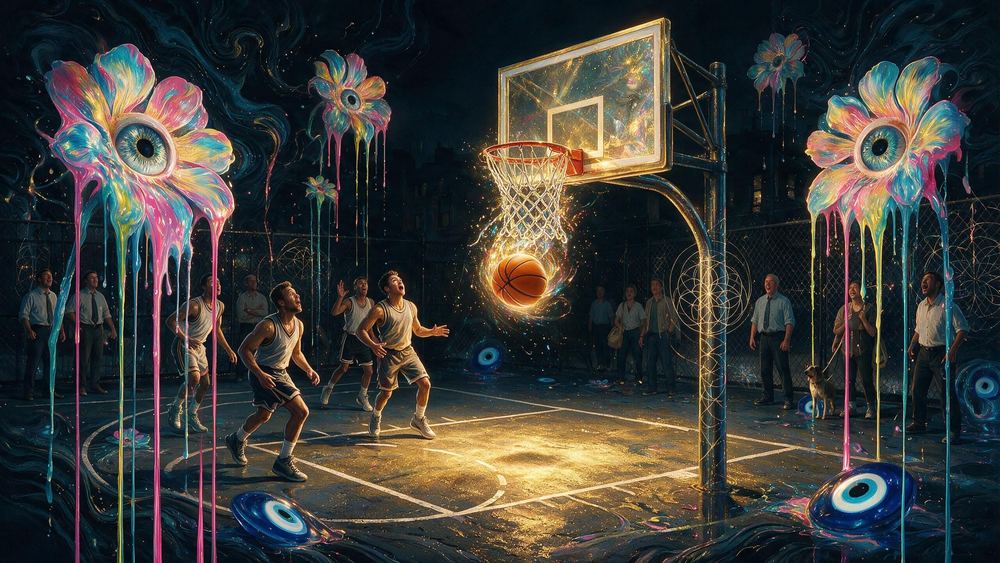
The Sedgwick room paints the party: the DJ at two turntables, the crowd, the breakers on the floor. The Bronx Museum room holds the borough's artists, and the Rucker Park room holds the Harlem court where summer basketball and the same crowd met. On the atlas, the hip hop pins run along the Grand Concourse, the Bronx River Houses and Sedgwick Avenue.
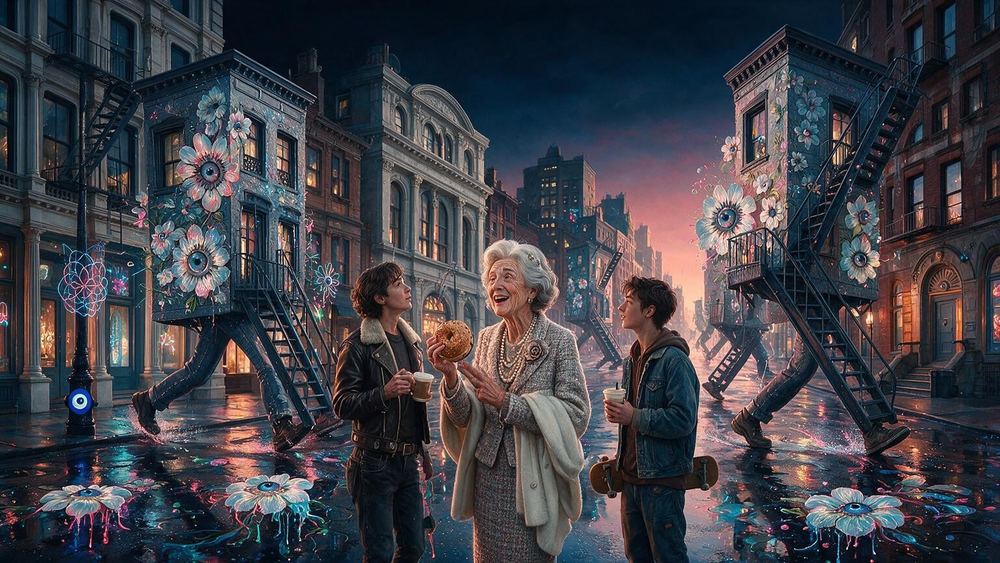
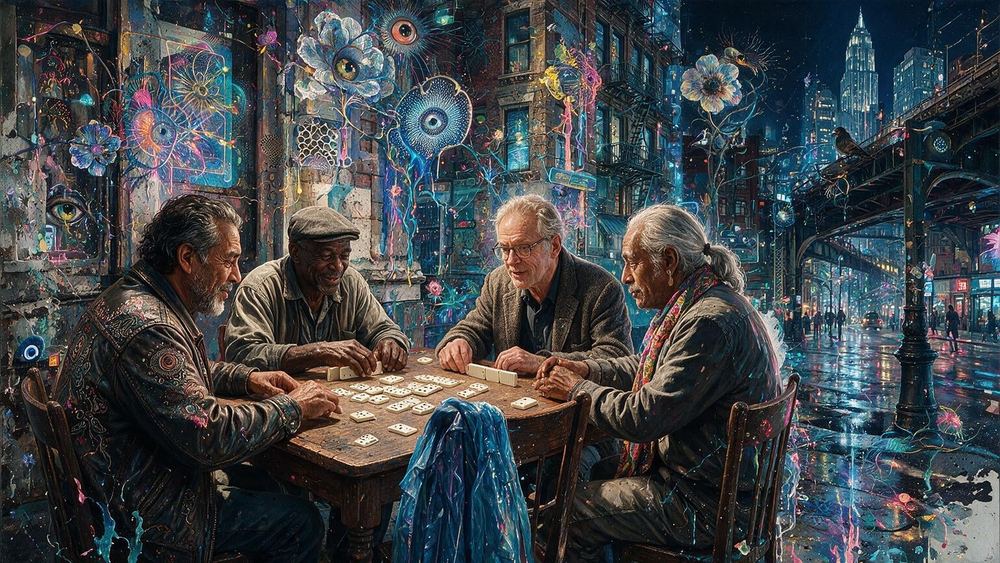
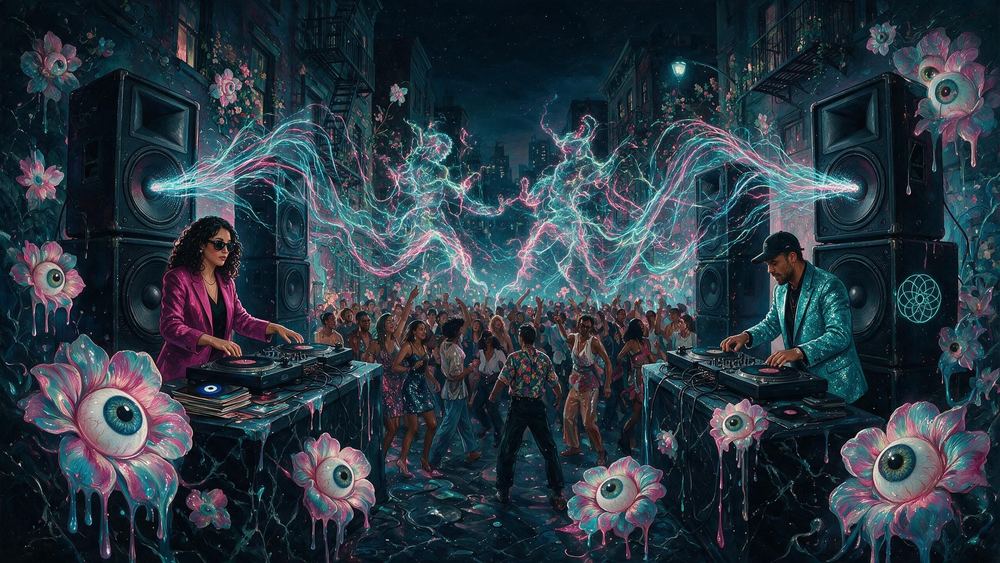
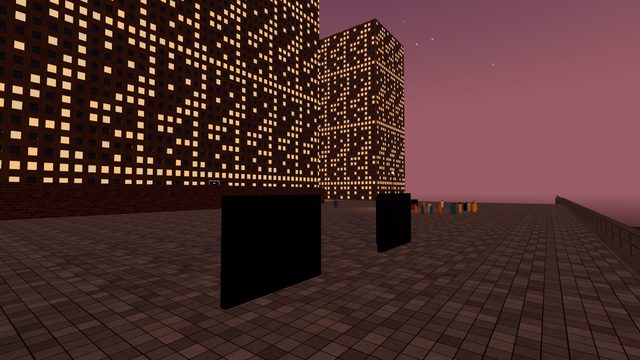 1520 SEDGWICK AVENUEThe rec room
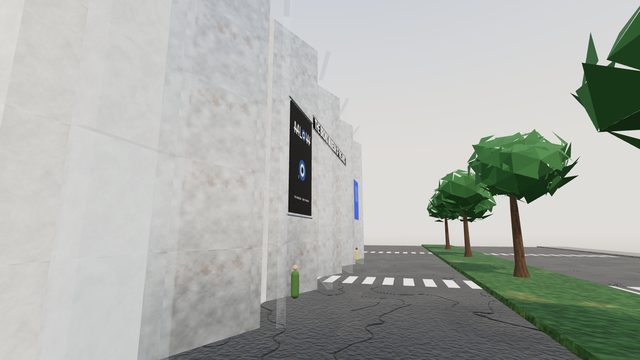 THE BRONX MUSEUM OF THE ARTSThe Concourse museum
 RUCKER PARKThe court
Where was hip hop born?
In the recreation room of 1520 Sedgwick Avenue in the Bronx, at a party on August 11, 1973 where DJ Kool Herc played. The building still stands.
Who is DJ Kool Herc?
Clive Campbell, born in Kingston, Jamaica in 1955. He developed the technique of extending drum breaks with two turntables, the foundation of hip hop DJing.
What are the four elements of hip hop?
DJing, MCing, breaking and graffiti writing. Afrika Bambaataa and the Zulu Nation named them and added knowledge as a fifth.
What was the first hip hop hit record?
The Sugarhill Gang's Rapper's Delight, released in 1979, was the first hip hop record to reach a mass radio audience.
- National Museum of African American History and Cultureinstitution
Hip hop history and collections - Library of Congressprimary
National Recording Registry entries for early hip hop records - Bronx Museum of the Artsinstitution
Museum history and Bronx art - NYC Parksprimary
Holcombe Rucker Park history - New York Public Libraryinstitution
Research collections on hip hop and the Bronx - Britannicareference
General reference on hip hop and its founders
Corrections are welcome. Write to the census at @degens on X and name the line. The reading room cites institutions, not the census; the census cites the reading room.