How Harlem became Harlem
Developers overbuilt Harlem in the 1890s and early 1900s, betting on the subway. When the market collapsed, landlords held empty apartment houses. In 1904 Philip A. Payton Jr. founded the Afro American Realty Company and leased buildings to Black tenants, who were shut out of most of the city. Block by block, Harlem filled.
The Great Migration supplied the people. Between the 1910s and 1970 about 6 million African Americans left the South for the cities of the North and West. New York took a large share, and by 1930 more than 200,000 Black residents lived in Harlem. Churches, newspapers, lodges and businesses moved uptown with them.
The Renaissance
In the 1920s Harlem produced a body of literature, art and music that the era itself named the New Negro movement and later generations called the Harlem Renaissance. Alain Locke's 1925 anthology The New Negro set out its aims. Langston Hughes published The Weary Blues in 1926. Zora Neale Hurston, Countee Cullen, Claude McKay, Jessie Fauset and Nella Larsen wrote in and about the neighborhood.
The music ran all night. Duke Ellington led the band at the Cotton Club from 1927, where the audience was white and the performers were Black. The Savoy Ballroom on Lenox Avenue, open from 1926 to 1958, admitted everyone and gave the Lindy Hop its home. In 1926 the New York Public Library bought the collection of Arturo Schomburg, the seed of the Schomburg Center for Research in Black Culture on 135th Street.
The Apollo and Amateur Night
The theater at 253 West 125th Street opened in 1914 as Hurtig and Seamon's New Burlesque Theater, and it did not admit Black patrons. In 1934 Sidney Cohen reopened it as the Apollo, with Black performers on stage and Black audiences in the seats, at a time when 125th Street was the shopping street of Harlem.
Amateur Night began that same year. Contestants rub the Tree of Hope, a stump of a Harlem elm kept on stage for luck, and the audience decides. In November 1934 a 17 year old named Ella Fitzgerald came to dance, sang instead, and won. Billie Holiday, Sarah Vaughan, James Brown, Jimi Hendrix and the Jackson 5 all played the Apollo early in their careers. The city named the theater a landmark in 1983.
Strivers' Row
On West 138th and 139th Streets, between what are now Adam Clayton Powell Jr. and Frederick Douglass Boulevards, stand three rows of houses built between 1891 and 1893 for the developer David H. King Jr. Three firms designed them: James Brown Lord; Bruce Price with Clarence Luce; and McKim, Mead and White. The rear alleys still carry signs that read Walk Your Horses.
The houses stood partly empty until they were sold to Black buyers beginning in 1919. Doctors, lawyers, musicians and ministers moved in, among them the composer W. C. Handy, and the blocks earned the name Strivers' Row. The city designated the St. Nicholas Historic District in 1967.
Harlem now
The Studio Museum in Harlem, founded in 1968 to show the work of artists of African descent, opened a new building on West 125th Street in 2025. The Apollo runs as a nonprofit and Amateur Night still fills its Wednesdays.
In the census
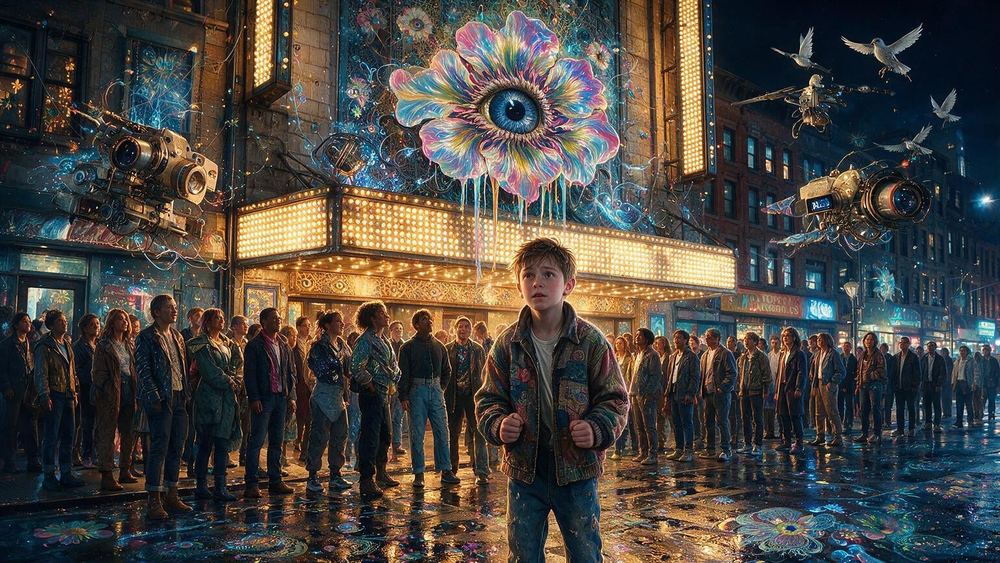
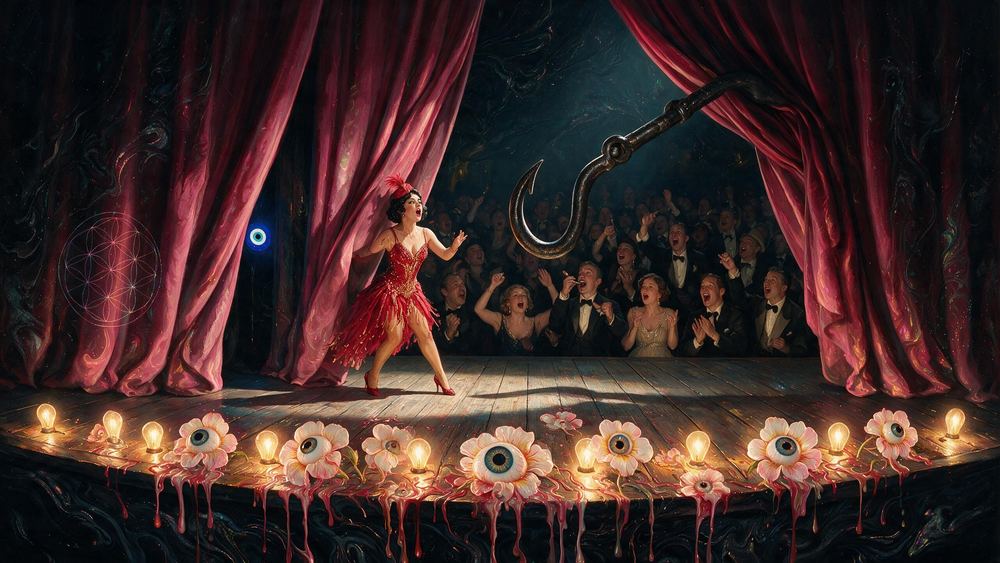
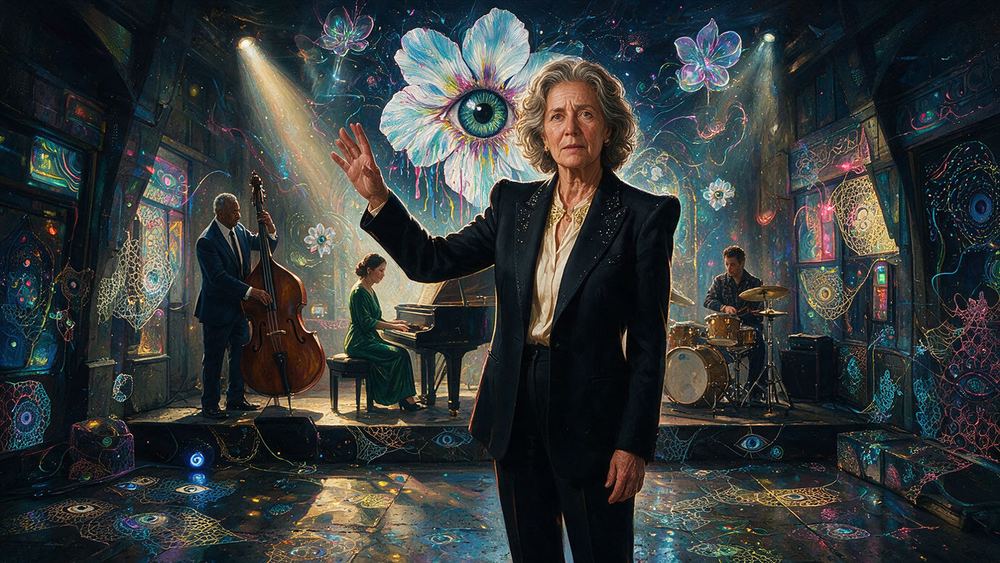
The Apollo room paints the marquee crowd and the contestants at the Tree of Hope. The Strivers room holds the brownstone families of 138th and 139th Streets, and the Studio Museum room the artists and curators of 125th Street. On the atlas, Harlem's pins run from Central Park North to the Harlem River, with the thickest cluster along 125th Street.
 THE APOLLOAfter the applause
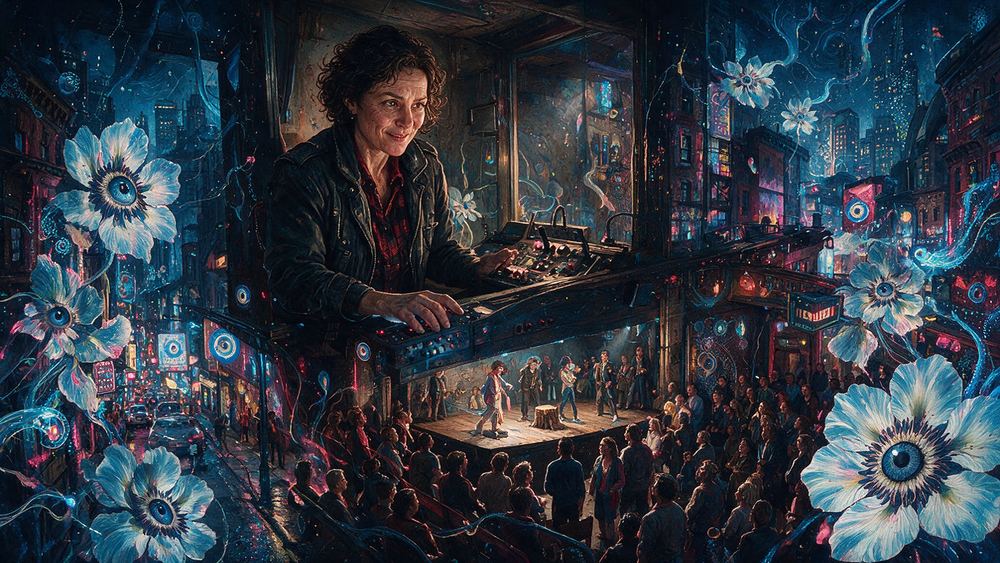
 STRIVERS' ROWThe parlour floor
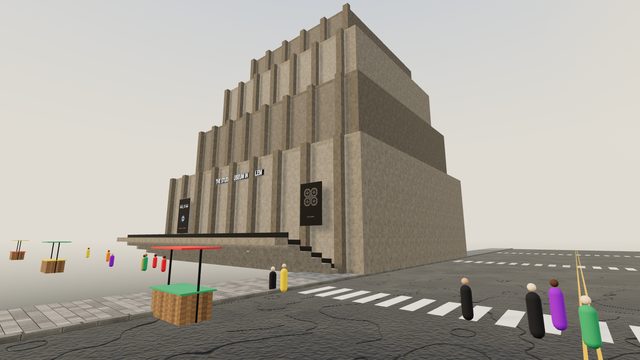 THE STUDIO MUSEUM IN HARLEMThe new building on 125th
What was the Harlem Renaissance?
A flowering of Black literature, art, music and thought centered in Harlem in the 1920s and early 1930s. Writers such as Langston Hughes and Zora Neale Hurston and musicians such as Duke Ellington defined it.
When did Amateur Night at the Apollo start?
In 1934, the year the theater reopened as the Apollo. Ella Fitzgerald won one of its first contests that November.
What is Strivers' Row?
Three rows of houses on West 138th and 139th Streets built from 1891 to 1893 and sold to Black professionals from 1919. The blocks form the St. Nicholas Historic District.
Why is it called the Great Migration?
Because of its scale. About 6 million African Americans left the South for Northern and Western cities between the 1910s and 1970, and Harlem was one of the main destinations.
- Apollo Theaterinstitution
Theater history and Amateur Night - New York Public Library, Schomburg Centerinstitution
Research collections on Harlem and the Renaissance - National Museum of African American History and Cultureinstitution
The Great Migration and the Harlem Renaissance - NYC Landmarks Preservation Commissionprimary
Designation reports for the Apollo Theater and the St. Nicholas Historic District - Studio Museum in Harleminstitution
Museum history - Library of Congressprimary
Harlem Renaissance writers, photographs and recordings - Britannicareference
General reference on the Harlem Renaissance
Corrections are welcome. Write to the census at @degens on X and name the line. The reading room cites institutions, not the census; the census cites the reading room.