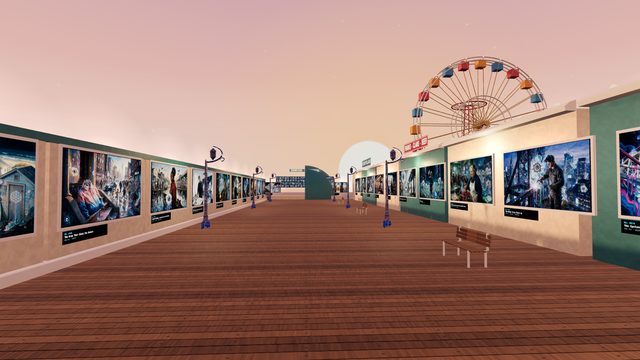
A beach at the end of Brooklyn
Coney Island is the sandy south shore of Brooklyn, once a true island and now joined to the mainland by fill. Resort hotels and bathhouses arrived after the Civil War, and railroads brought day trippers from the city. Charles Feltman, a Coney Island restaurant owner, is credited with selling the first sausages in a roll there in the 1860s. By the 1890s the beach had racetracks, dance halls and a reputation.
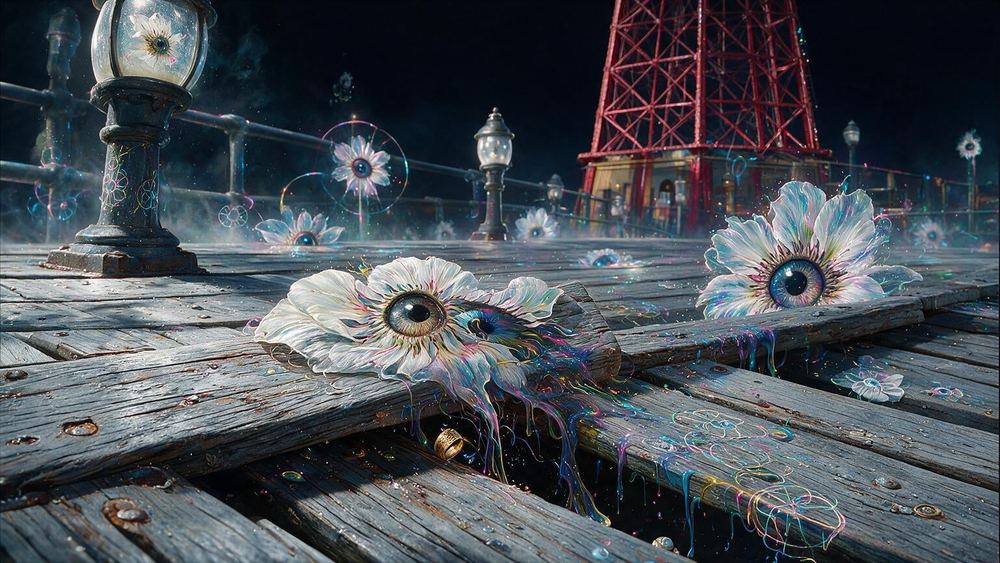
Three parks
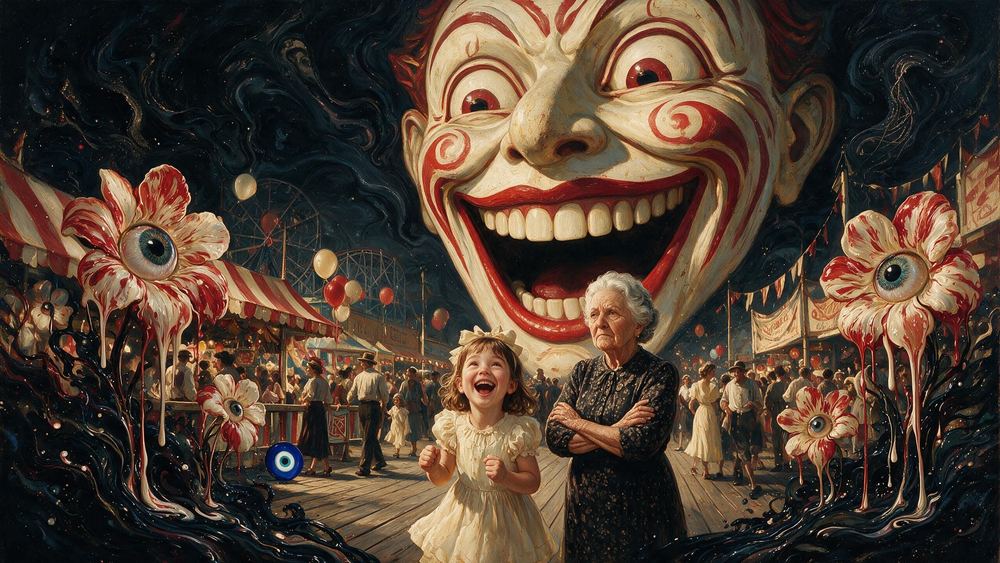
George C. Tilyou opened Steeplechase Park in 1897 around a ride in which pairs of riders raced mechanical horses on a rail. The park's grinning Funny Face became the symbol of Coney Island. Steeplechase closed in 1964. Its Parachute Jump, a 250 foot steel tower moved from the 1939 World's Fair in 1941, still stands and is a city landmark.
Frederic Thompson and Elmer Dundy opened Luna Park in 1903, a fantasy city of towers and spires lit by more than 200,000 electric bulbs. Dreamland, larger and whiter, opened across Surf Avenue in 1904. Dreamland burned to the ground on May 27, 1911. Luna Park burned in 1944 and never reopened. A new Luna Park, unrelated to the first, took the name in 2010.
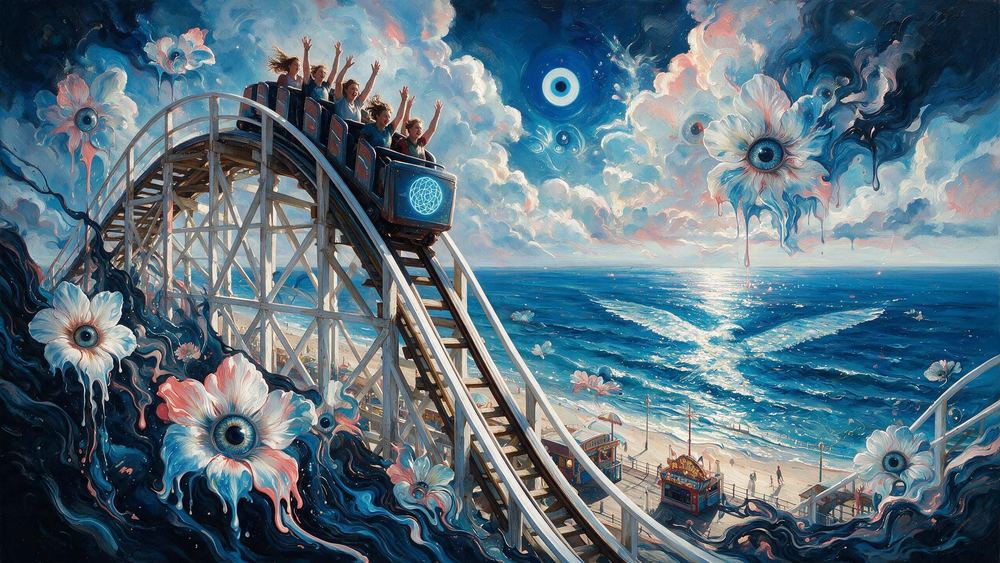
The Nickel Empire
The subway reached the Stillwell Avenue terminal in 1920, and a nickel fare put the beach within reach of every tenement in the city. Summer Sundays drew crowds in the hundreds of thousands. Newspapers called it the Nickel Empire. The New York Aquarium moved to the boardwalk in 1957 and is still there.
Nathan Handwerker, an immigrant from Poland who had worked at Feltman's, opened a hot dog stand at Surf and Stillwell Avenues in 1916 and charged a nickel, half of Feltman's price. Nathan's Famous still stands on the corner. Its July 4 hot dog eating contest has run as an annual event since 1972.
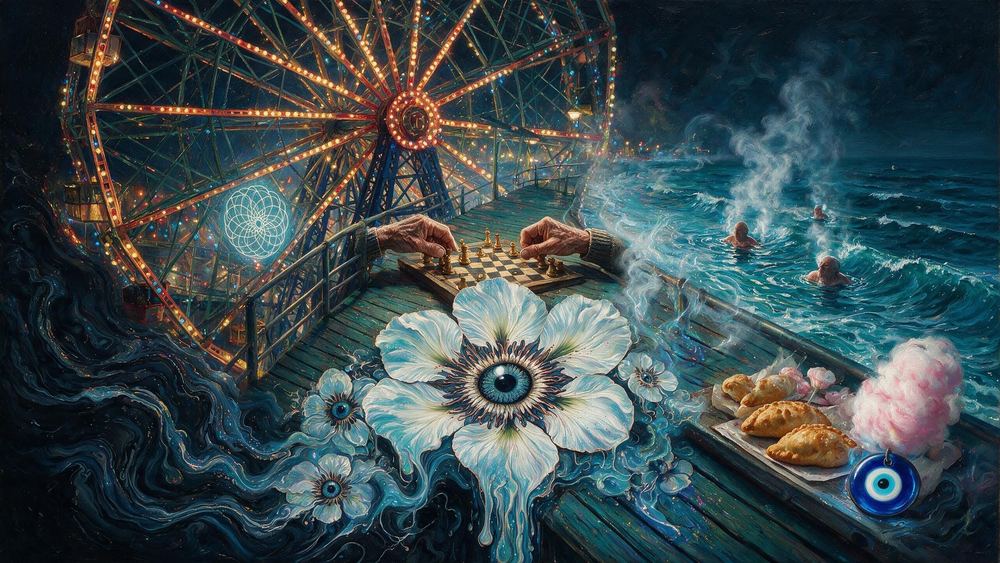
The Wonder Wheel and the boardwalk
The Wonder Wheel opened in 1920, a 150 foot steel wheel built by the Eccentric Ferris Wheel Company to a design by Charles Hermann. Sixteen of its 24 cars slide inward and outward along curved tracks as the wheel turns, and eight stay fixed. It has run every summer since and became a city landmark in 1989.
The Riegelmann Boardwalk opened on May 15, 1923, named for Brooklyn Borough President Edward Riegelmann, who pushed the city to buy the private beachfront and open it to all. It runs about 2.7 miles from West 37th Street to Brighton Beach. The city designated it a scenic landmark in 2018.

The Cyclone
The Cyclone opened on June 26, 1927 on the site of the country's first roller coaster, the Switchback Railway of 1884. Vernon Keenan designed it and Harry C. Baker built it: a wooden coaster with 2,640 feet of track and a first drop of 85 feet at about a 60 degree angle. A ride cost 25 cents. It became a city landmark in 1988 and joined the National Register of Historic Places in 1991. It still runs on its original steel and wood frame.

Rockaway
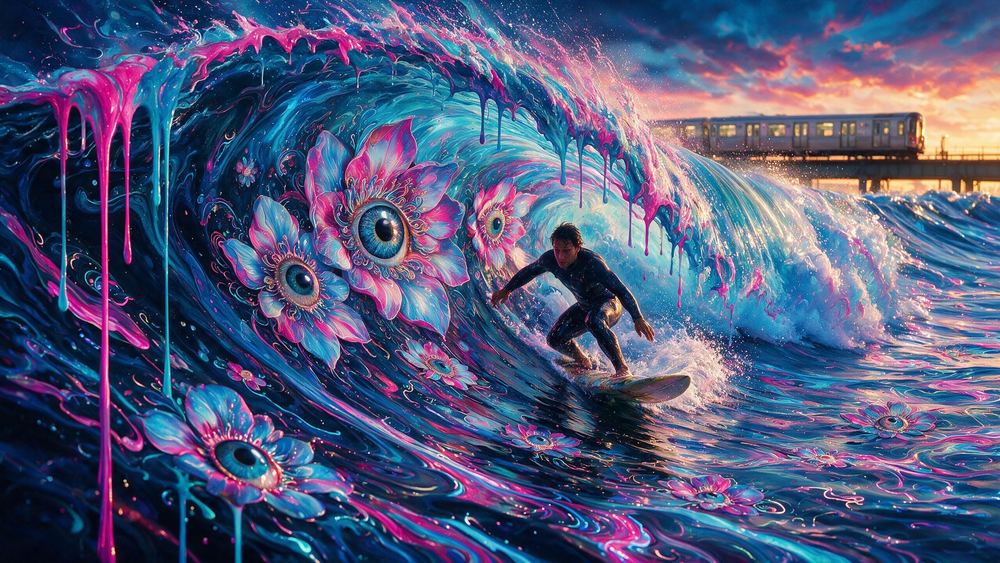
Across Jamaica Bay in Queens, the Rockaway peninsula grew as the other working beach, reached today by the A train. Its boardwalk was rebuilt in concrete after Hurricane Sandy struck in October 2012, and the surf breaks off Rockaway Beach draw the city's surfers.
In the census
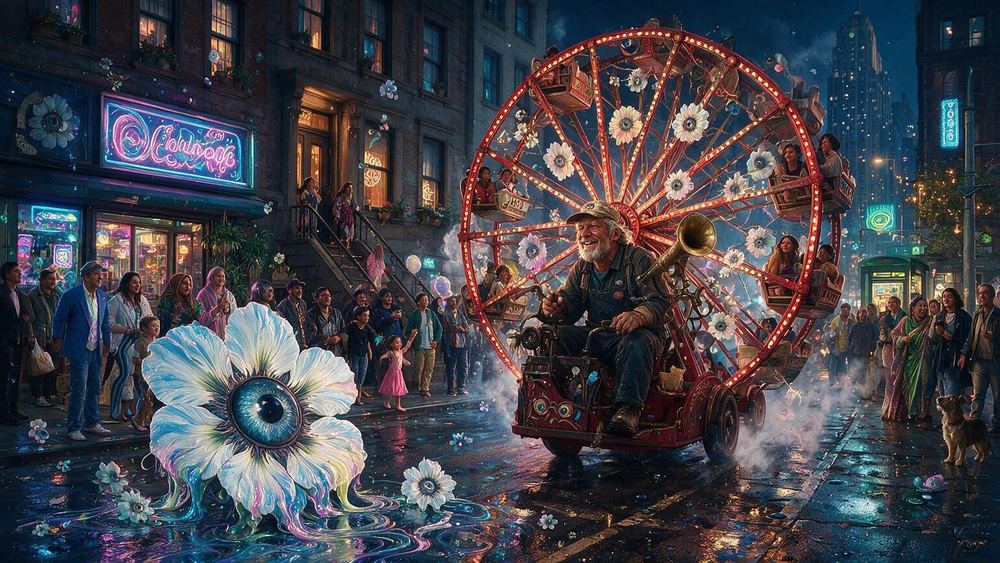
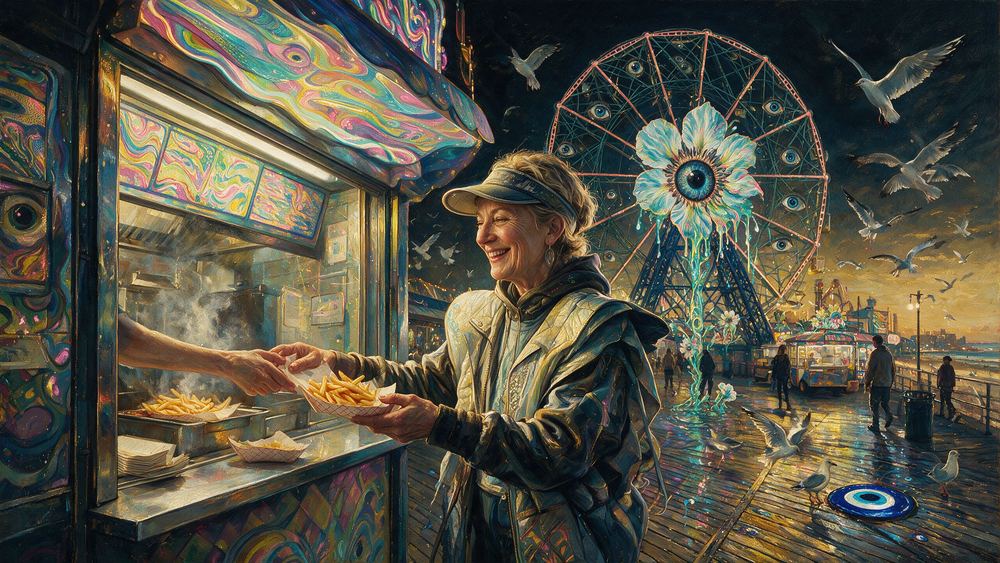
The Coney room paints the boardwalk crowd: the bathers, the Nathan's line, the Wonder Wheel operators and the Mermaid Parade marchers. The Cyclone room holds the riders at the top of the first drop. The Rockaway room paints the surfers and the A train beachgoers of the Queens shore. On the atlas, the pins run the length of the boardwalk from Sea Gate to Brighton Beach and out along the Rockaway peninsula.

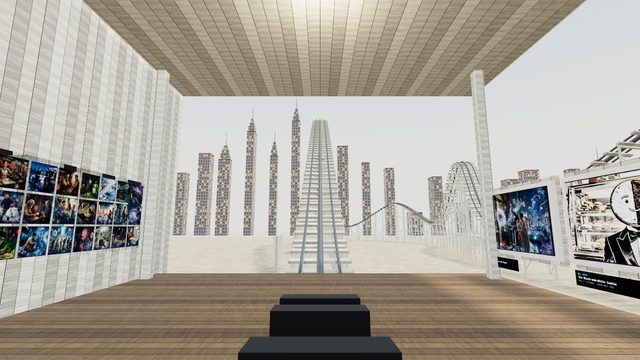 THE CYCLONE
 ROCKAWAY BEACH
When did the Coney Island Cyclone open?
June 26, 1927. It is a wooden roller coaster with an 85 foot first drop and is both a New York City landmark and a National Register listing.
What were the three great Coney Island parks?
Steeplechase Park (1897 to 1964), Luna Park (1903 to 1944) and Dreamland (1904 to 1911). Only the Parachute Jump from Steeplechase survives from the three.
How old is the Wonder Wheel?
It opened in 1920 and has run every summer since. Sixteen of its 24 cars swing along inner tracks as the wheel turns.
When did Nathan's open at Coney Island?
In 1916, when Nathan Handwerker began selling nickel hot dogs at Surf and Stillwell Avenues. The stand is still on the same corner.
How long is the Coney Island boardwalk?
About 2.7 miles, from West 37th Street to Brighton Beach. It opened on May 15, 1923.
- NYC Landmarks Preservation Commissionprimary
Designation reports for the Cyclone, the Wonder Wheel, the Parachute Jump and the boardwalk - NYC Parksprimary
Riegelmann Boardwalk and Coney Island beach - Coney Island History Projectinstitution
Oral histories and exhibits on the amusement parks - Brooklyn Public Libraryinstitution
Brooklyn collection photographs and newspapers on Coney Island - Nathan's Famousinstitution
Company history - Library of Congressprimary
Photographs and films of Coney Island from the 1890s onward - Britannicareference
General reference on Coney Island
Corrections are welcome. Write to the census at @degens on X and name the line. The reading room cites institutions, not the census; the census cites the reading room.