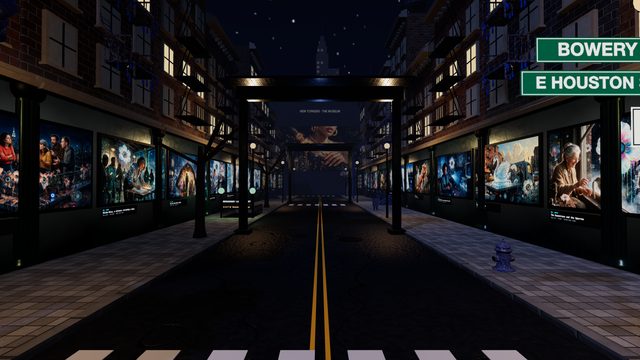
The night the grid failed
On the evening of July 13, 1977, lightning struck Consolidated Edison transmission lines north of the city. A second strike followed. Protective relays tripped, the system shed load, and it lost the ties to neighboring utilities that could have carried it. At about 9:30 p.m. the lights went out across the five boroughs. Only pockets served by other utilities stayed lit.
The blackout lasted about 25 hours. Con Edison restored the last customers on the night of July 14. The city had gone dark in the middle of a heat wave, in the middle of a fiscal crisis, and in the middle of the Son of Sam summer. The heat and the mood together made the night unlike any blackout before it.
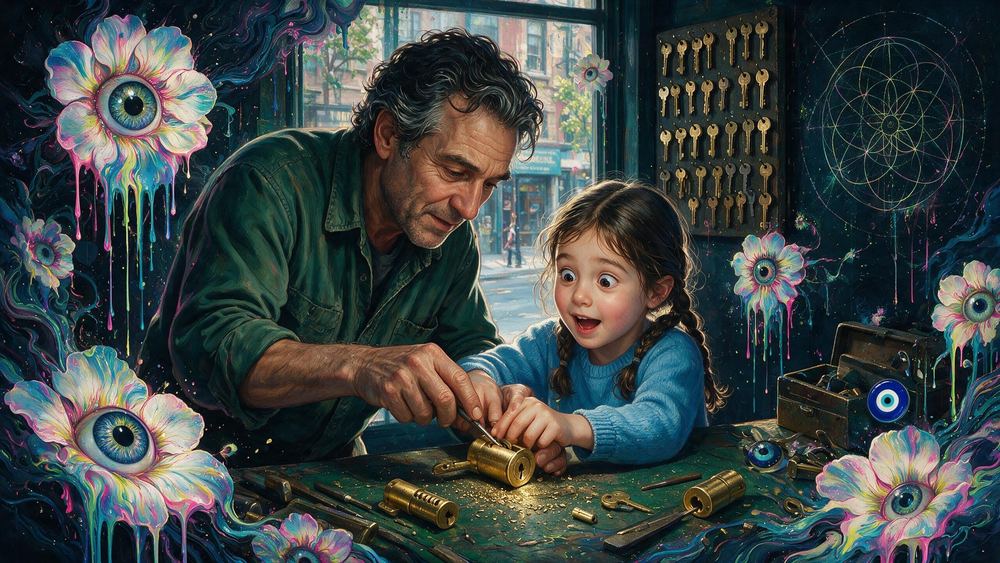
The looting and the fires
Looting began within minutes in some neighborhoods and spread through the night. Crowds broke into stores along Broadway in Bushwick, along Utica Avenue and Flatbush Avenue in Brooklyn, along Third Avenue in the Bronx, and along 125th Street in Harlem. Some took televisions and clothing. Some took food. Some set fires after the shelves were empty.
The fire department answered more than 1,000 alarms that night and the next day. Police made 3,776 arrests, the largest mass arrest in the city's history, and the courts and jails could not hold them. Damage estimates ran past $300 million.
Bushwick took the worst of it. Whole stretches of Broadway burned, and many stores never reopened. The neighborhood had already lost population and jobs through the 1970s, and the blackout sped the decline. Its recovery took decades.

1965: the polite blackout
New York had lost power before. On November 9, 1965, a relay failure at a station near Niagara Falls set off a cascade that blacked out most of the Northeast and Ontario, about 30 million people. In New York the lights failed at the evening rush hour and stayed out through the night, about 13 hours in most of the city.
The city stayed calm. Commuters slept in hotel lobbies and train stations. Strangers directed traffic with flashlights. Crime that night was low. The contrast with 1977 became the standard way to describe how much the city had changed in 12 years.
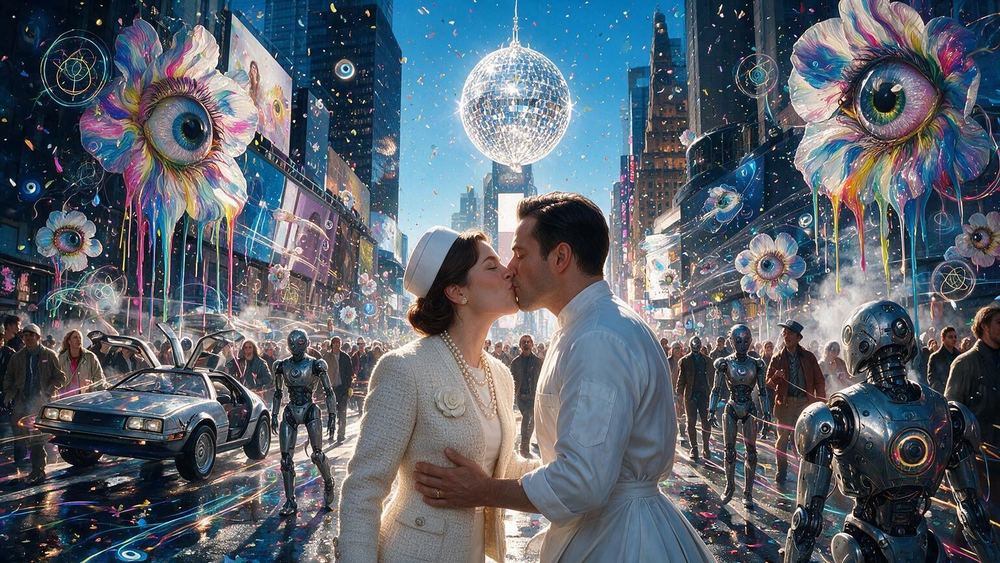
2003: the grid fails again
On August 14, 2003, a cascade that began in Ohio blacked out about 50 million people in eight states and Ontario. New York lost power in the afternoon and got it back through the next day. Again the city stayed mostly calm. People walked home over the bridges. Bars sold warm beer on the sidewalk. Neighbors grilled what was in the freezer.
The joint United States and Canada task force blamed an Ohio utility that had let trees grow into its lines and had lost its alarm system at the moment it needed it. The lesson of 1977 had been about the city. The lesson of 2003 was about the grid.

Hip hop and the blackout: myth and fact
A story holds that the 1977 blackout made hip hop. Looters, it says, took turntables and mixers from electronics stores, and the new equipment put DJ sets in the hands of hundreds of teenagers who could never have afforded them. Some early DJs have told the story about their own neighborhoods, and documentaries and books have repeated it.
The record says hip hop was already four years old. DJ Kool Herc played the party at 1520 Sedgwick Avenue in the Bronx on August 11, 1973, that most histories mark as the beginning. Grandmaster Flash and Afrika Bambaataa were working in the Bronx before 1977. The blackout may have put more equipment on the street. It did not start the music. The safe claim is the narrow one: the blackout was one of many things that happened to a culture already growing.
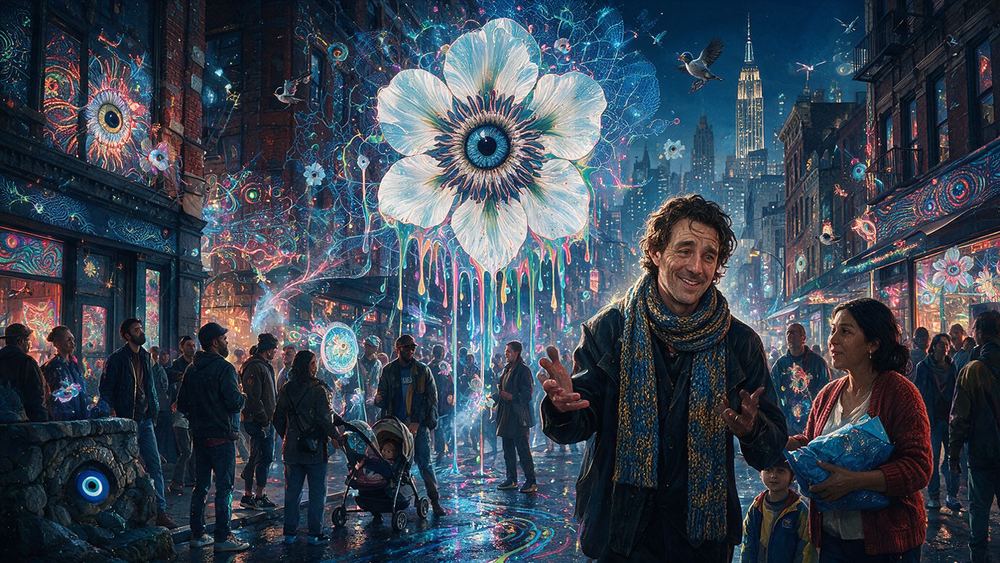
In the census
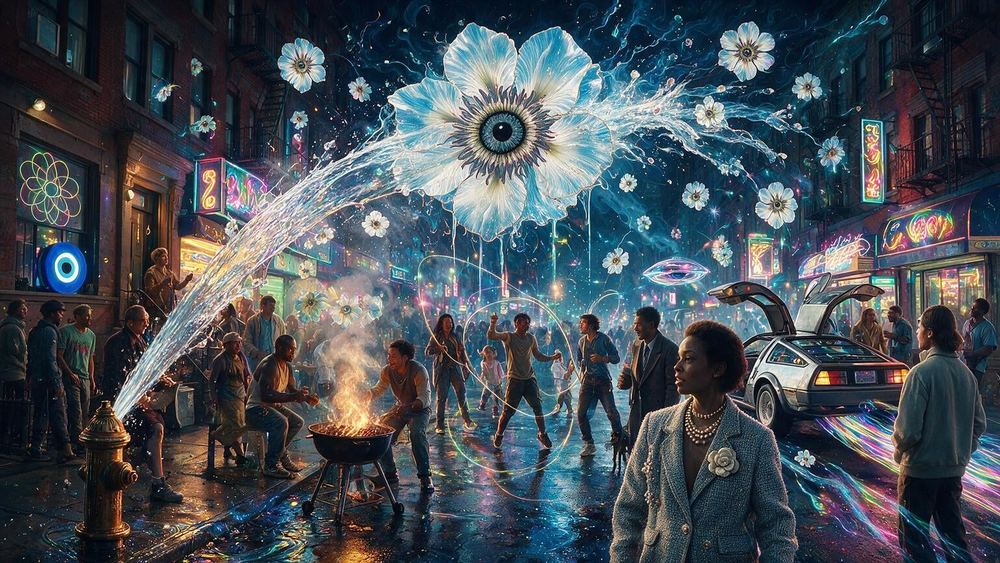
The blackout lives in the Bushwick room of the museum, where the census hangs the block characters, the corner kids and the shopkeepers who rebuilt Broadway. The Bowery room holds the city of the 1970s, the night people and the people who slept through it. The Times Square room shows the marquee crowd the night the bulbs went out. The atlas at map.html pins each character to the street where the painting sets them.




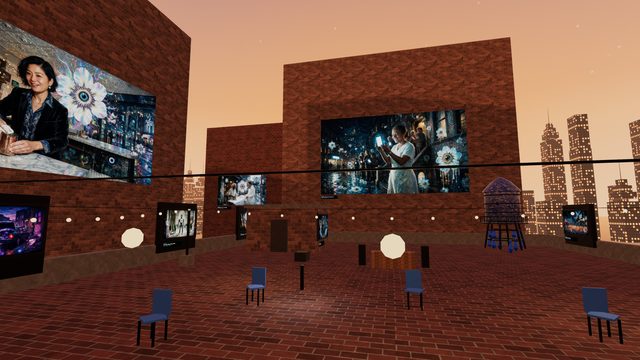 A BUSHWICK ROOFTOP
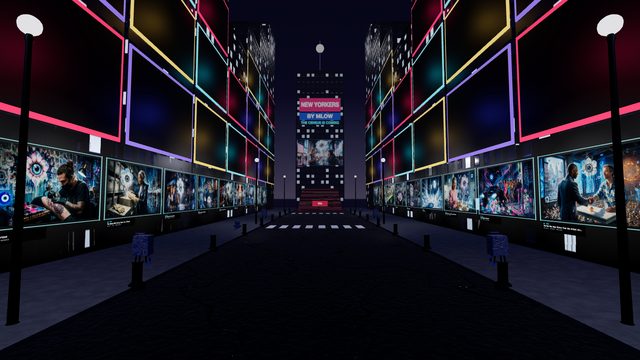 TIMES SQUARE
How long did the 1977 New York City blackout last?
About 25 hours. Power failed at about 9:30 p.m. on July 13, 1977, and Con Edison restored the last customers on the night of July 14.
What caused the 1977 blackout?
Lightning struck Con Edison transmission lines north of the city on the evening of July 13, 1977. Protective equipment tripped, the system lost its ties to neighboring utilities, and the load could not be carried.
Did the 1977 blackout create hip hop?
No. Hip hop's birth is usually dated to DJ Kool Herc's party on August 11, 1973. Some early DJs have said looted equipment spread the culture in 1977, and that may be true in part, but the music was already four years old.
Why was the 1965 blackout so different from 1977?
The 1965 blackout hit at the evening rush hour in November and the city stayed calm, with low crime. The 1977 blackout hit on a hot July night during a fiscal crisis, and looting and arson followed in several neighborhoods.
- Britannica, New York Cityreference
General history of the city including the 1970s fiscal crisis and the blackouts - Museum of the City of New Yorkinstitution
Collections and exhibitions on the city in the 1970s - Brooklyn Public Library, Center for Brooklyn Historyinstitution
Bushwick history and the 1977 blackout in Brooklyn - Library of Congressinstitution
Newspaper archives covering the 1965, 1977 and 2003 blackouts - U.S. Department of Energyinstitution
Final report of the joint United States and Canada task force on the 2003 blackout - Smithsonian National Museum of African American History and Cultureinstitution
Hip hop history and the 1973 Sedgwick Avenue party
Corrections are welcome. Write to the census at @degens on X and name the line. The reading room cites institutions, not the census; the census cites the reading room.