A park before the city reached it
In the 1850s the built city ended near 38th Street. Newspapers and civic leaders argued that New York needed a great public park like those of London and Paris, and in 1853 the state legislature set aside more than 700 acres in the middle of the island for it. The land was rocky, swampy and partly settled. The city took it by eminent domain.
Seneca Village
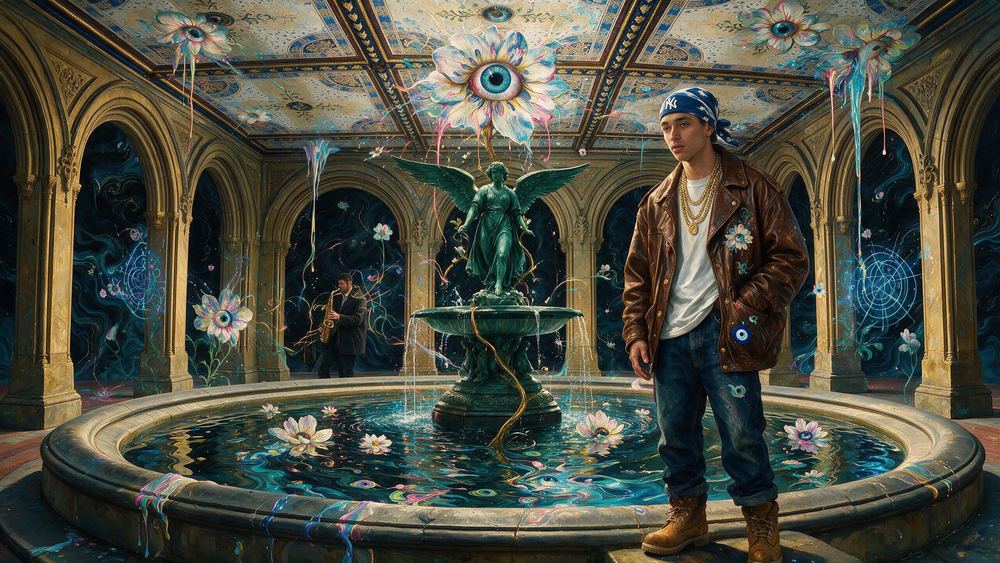
The largest settlement on the site was Seneca Village, founded in 1825 when free Black New Yorkers began buying lots near what is now West 82nd to 89th Street. By the 1850s about 225 people lived there, most of them African American, along with Irish and German immigrants. The village had three churches, a school and a cemetery. Property owners there could vote, which few Black men in the state could do.
The city paid the landowners and cleared the village in 1857. Its residents scattered and its history was largely forgotten until historians and archaeologists recovered it in the 1990s and 2000s. The Central Park Conservancy now marks the site with signs.
The Greensward Plan
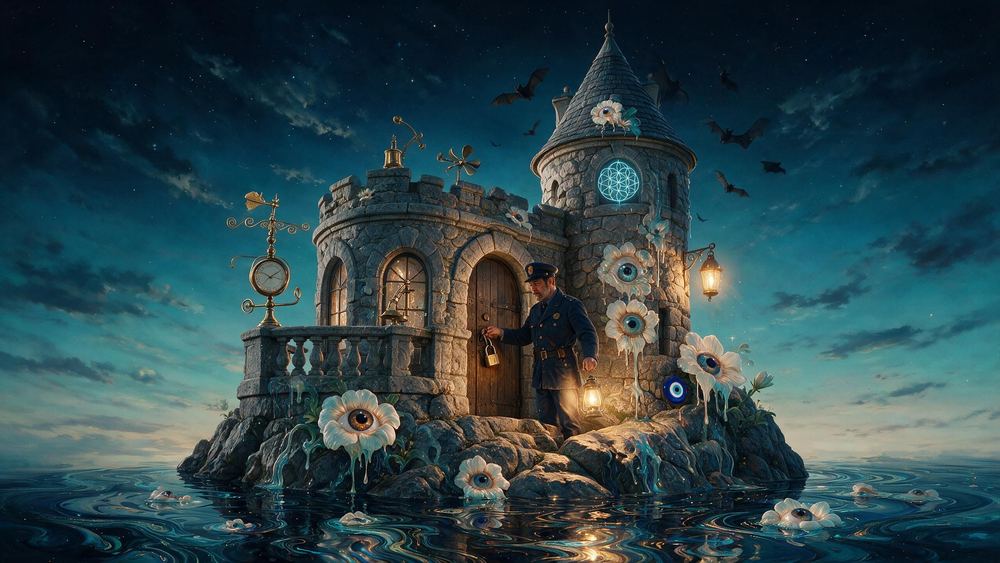
The park's commissioners held a design competition in 1857. Frederick Law Olmsted, then the park's superintendent, and Calvert Vaux, an English born architect, entered a plan they called Greensward. It won on April 28, 1858. Their idea was a pastoral landscape, with meadows, woods and water, that made the city disappear from view.
Their most original move was to sink four transverse roads below grade so that crosstown traffic passed under the park unseen. They separated carriage drives, bridle paths and footpaths and joined them with bridges, each one different. Crews moved millions of cartloads of earth and rock, planted hundreds of thousands of trees and shrubs, and laid drains under the whole site. Skaters used the Lake in the winter of 1858 while work went on around them.
Bethesda Terrace and the Castle
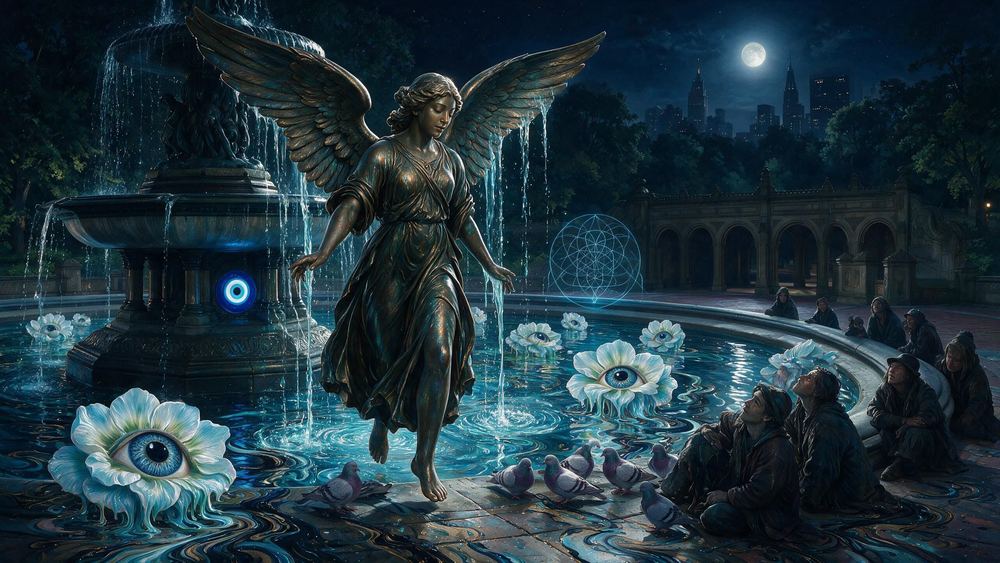
Vaux and the designer Jacob Wrey Mould made Bethesda Terrace the park's one formal set piece, a two level plaza at the center of the park with a tiled arcade and carved stone. At its heart stands the Bethesda Fountain and its statue, Angel of the Waters, by Emma Stebbins, unveiled in 1873. It was the first major public art commission given to a woman in New York City.
Belvedere Castle, a miniature castle of schist and granite by Vaux, rose on Vista Rock in the early 1870s as a lookout over the Ramble. Since 1919 it has housed the instruments that produce the official Central Park weather readings. Wollman Rink opened in 1950, and the Loeb Boathouse on the Lake opened in 1954.

Decline and the Conservancy
By the 1970s the park was worn and unsafe, with bare lawns, broken benches and graffiti on the Terrace. In 1980 civic leaders founded the Central Park Conservancy, a private nonprofit, with Elizabeth Barlow Rogers as its first head. The Conservancy raised money, restored the landscapes one by one, and since 1998 has managed the park under contract with the city. The park covers 843 acres and draws more than 40 million visits a year.
In the census
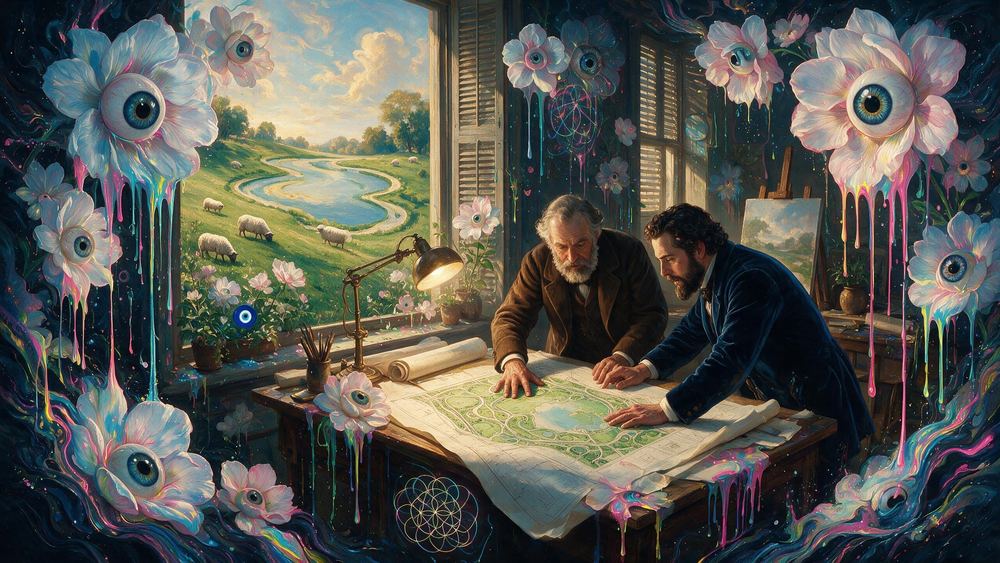
Four museum rooms belong to the park. The Bethesda room paints the people at the fountain and the arcade, the Belvedere room the walkers at the lookout, the Wollman room the skaters, and the Boathouse room the rowers on the Lake. On the atlas, the park is the densest green on the map, with characters spread from the Pond at 59th Street to the Harlem Meer.
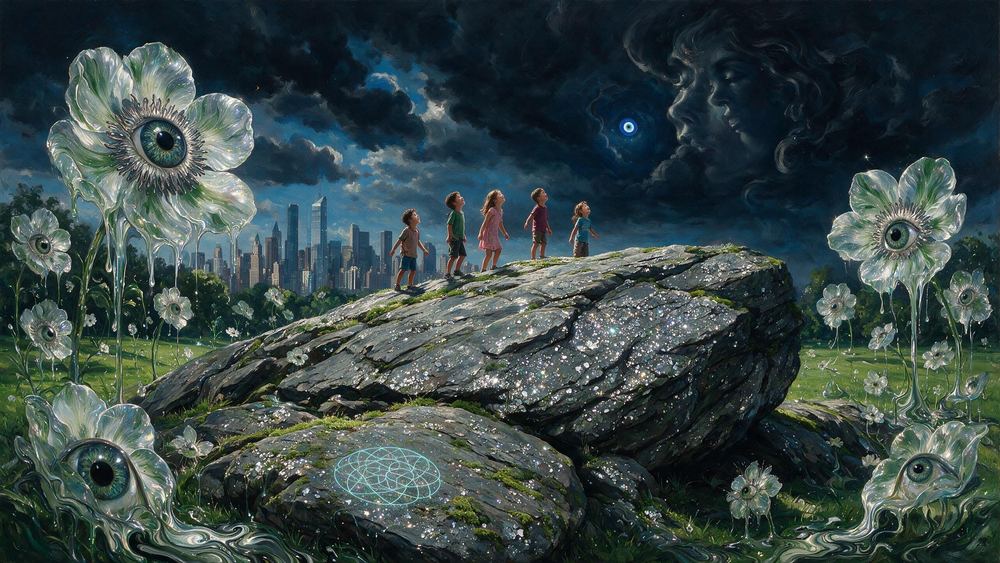
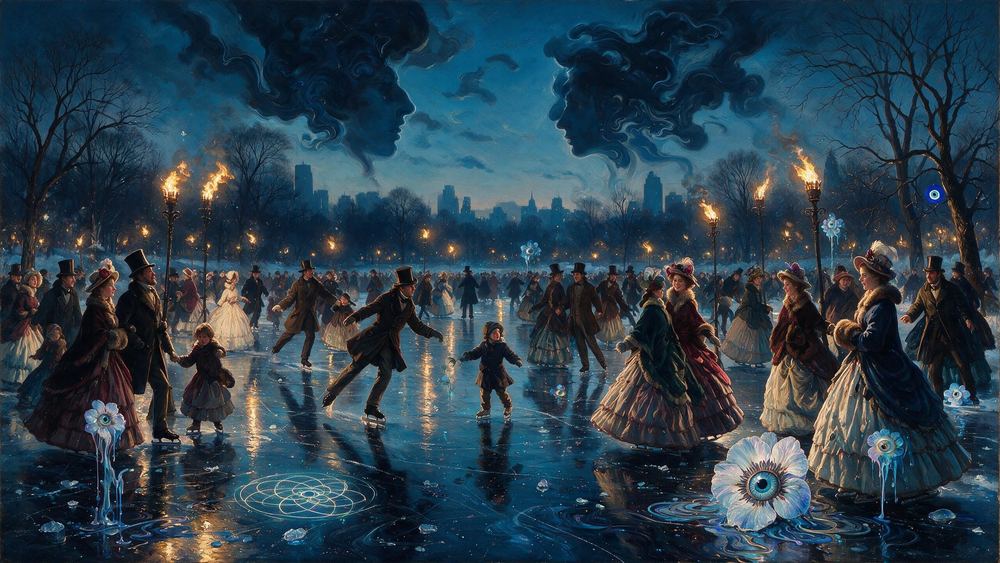
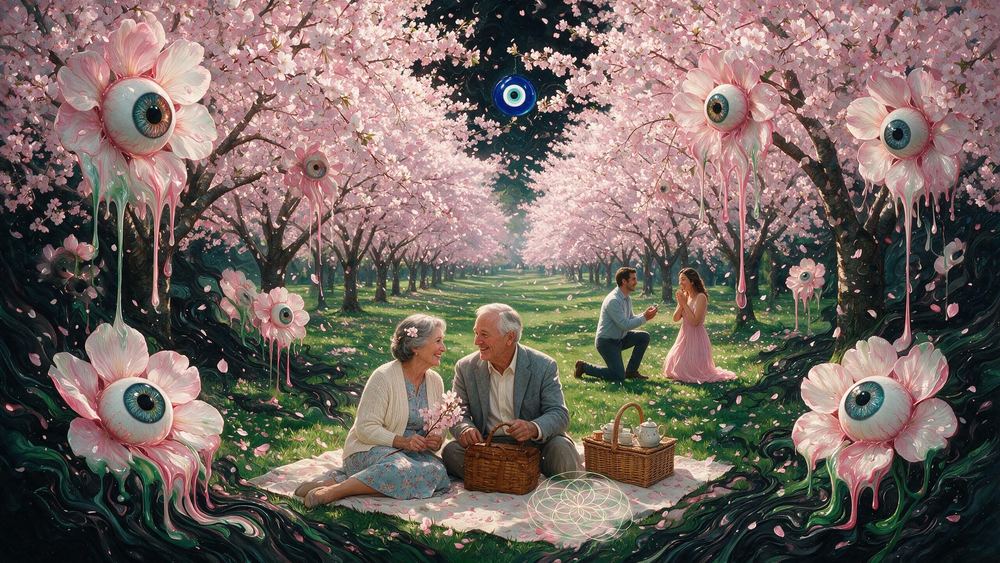
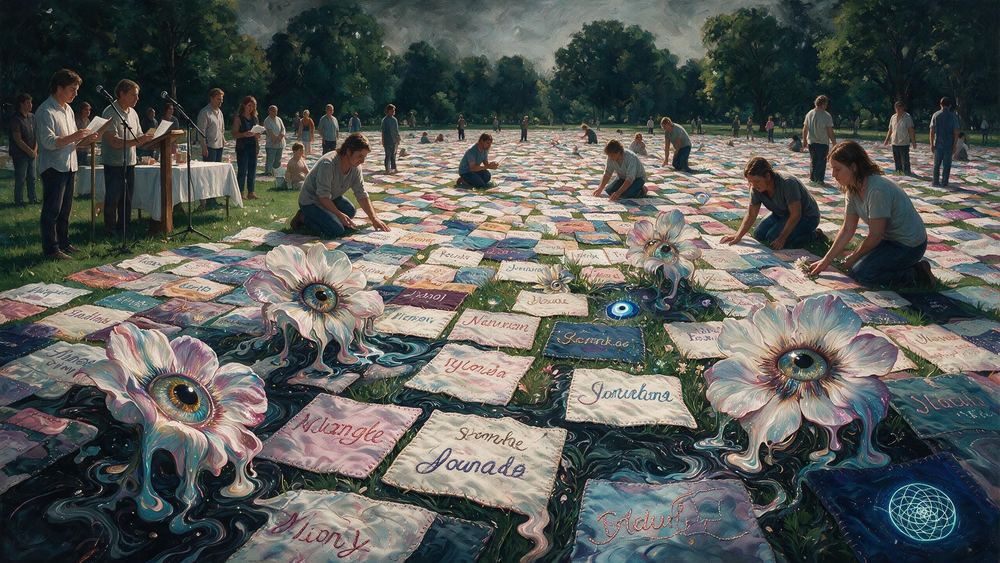

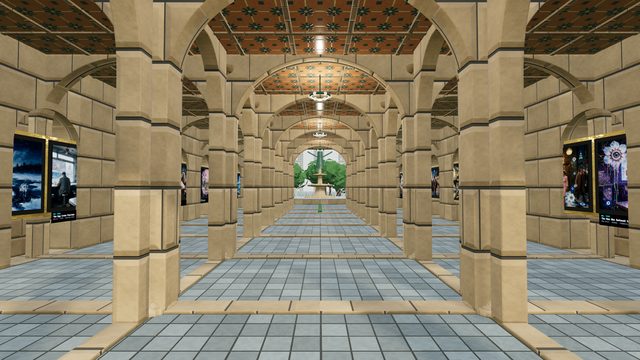 BETHESDA ARCADEThe painted threshold
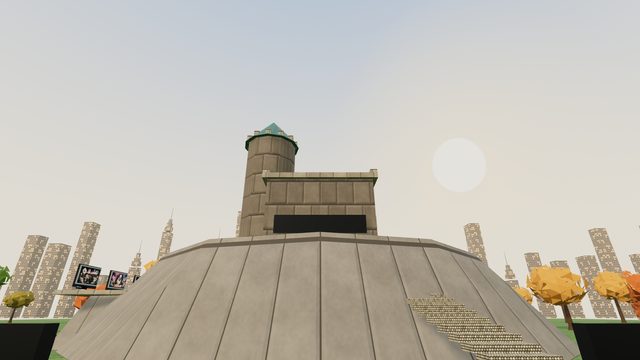 BELVEDERE CASTLEThe castle on the rock
 WOLLMAN RINKIce under the towers
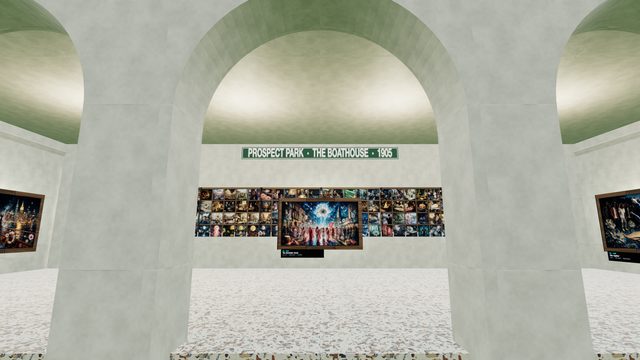 PROSPECT PARK BOATHOUSEThe Lullwater
Who designed Central Park?
Frederick Law Olmsted and Calvert Vaux. Their Greensward Plan won the 1857 design competition, with the result announced on April 28, 1858.
What was Seneca Village?
A settlement founded in 1825 by free Black landowners on what is now the west side of the park near 82nd to 89th Street. The city cleared it in 1857 to build the park.
How big is Central Park?
843 acres, running from 59th Street to 110th Street between Fifth Avenue and Central Park West.
Who runs Central Park?
The city owns it, and the Central Park Conservancy, a nonprofit founded in 1980, manages it under a contract with the city.
- Central Park Conservancyinstitution
Park manager; history of the design, Seneca Village and the restoration - NYC Parksprimary
City agency that owns the park; acreage and facilities - National Park Serviceprimary
National Historic Landmark listing - Library of Congressprimary
Olmsted papers, maps and photographs of the park - NYC Landmarks Preservation Commissionprimary
Scenic landmark designation of the park - Britannicareference
General reference on Olmsted, Vaux and the park
Corrections are welcome. Write to the census at @degens on X and name the line. The reading room cites institutions, not the census; the census cites the reading room.