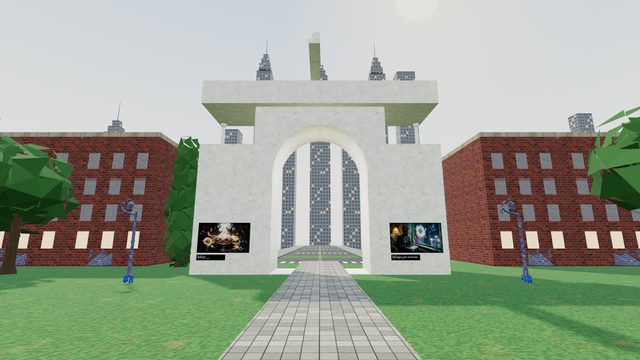
Saturday, near closing time
The Triangle Waist Company occupied the top three floors of the ten story Asch Building at Washington Place and Greene Street, a block east of Washington Square. It made shirtwaists, the tailored blouses that working women wore. About 500 people worked there, most of them young Jewish and Italian immigrant women, some as young as 14.
At about 4:40 on the afternoon of March 25, 1911, a fire started in a scrap bin under a cutting table on the eighth floor. Cotton scraps and tissue paper fed it. Workers on the eighth floor got out and the tenth floor was warned by telephone. No one warned the ninth floor. By the time its workers saw the flames, the fire filled the stairs.

Thirty minutes
The door to the Washington Place stairway on the ninth floor was locked, a practice the owners used to stop theft and keep workers at their machines. The one fire escape twisted and collapsed under the weight of the people on it. The two freight elevators made trips until they failed. Fire Department ladders reached only the sixth floor.
Dozens of workers jumped from the ninth floor windows to the pavement in front of a crowd. The fire was out in about half an hour. In all 146 people died: 123 women and girls and 23 men. The bodies were laid out at a pier on the East River for families to identify.
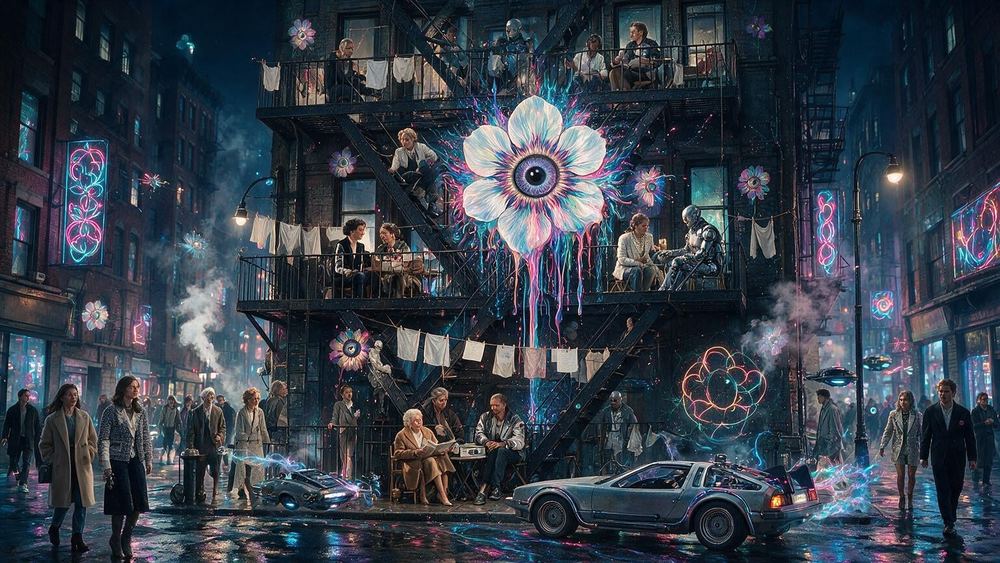
The trial and the march
The owners, Max Blanck and Isaac Harris, were tried for manslaughter over the locked door. A jury acquitted them in December 1911. A civil settlement in 1913 paid about $75 for each life lost. On April 5, 1911 a funeral procession for the unidentified dead moved through the rain, and hundreds of thousands lined the streets.
A week after the fire, at a memorial meeting at the Metropolitan Opera House, the union organizer Rose Schneiderman told a wealthy audience that public sympathy was not enough.
I would be a traitor to these poor burned bodies if I came here to talk good fellowship.Rose Schneiderman, April 2, 1911

The Commission
The state legislature created the Factory Investigating Commission in June 1911. State Senator Robert F. Wagner chaired it and Assemblyman Al Smith served as vice chair. Its investigators walked through hundreds of factories across the state and questioned workers on the record. Over four years its findings became dozens of new laws on fire exits, sprinklers, hours, and the labor of women and children.
Frances Perkins had watched the fire from Washington Square. She worked for the Commission as an investigator, later ran the state's labor department under Governor Smith and Governor Franklin D. Roosevelt, and in 1933 became Secretary of Labor, the first woman in a presidential cabinet. She called March 25, 1911 the day the New Deal began.

The building
The Asch Building survived the fire, since its structure was fireproof. New York University bought it and named it the Brown Building; it holds science laboratories today. It was named a National Historic Landmark in 1991 and a New York City landmark in 2003. In 2023 a permanent memorial, a steel ribbon with the names of the dead, was dedicated on its facade.
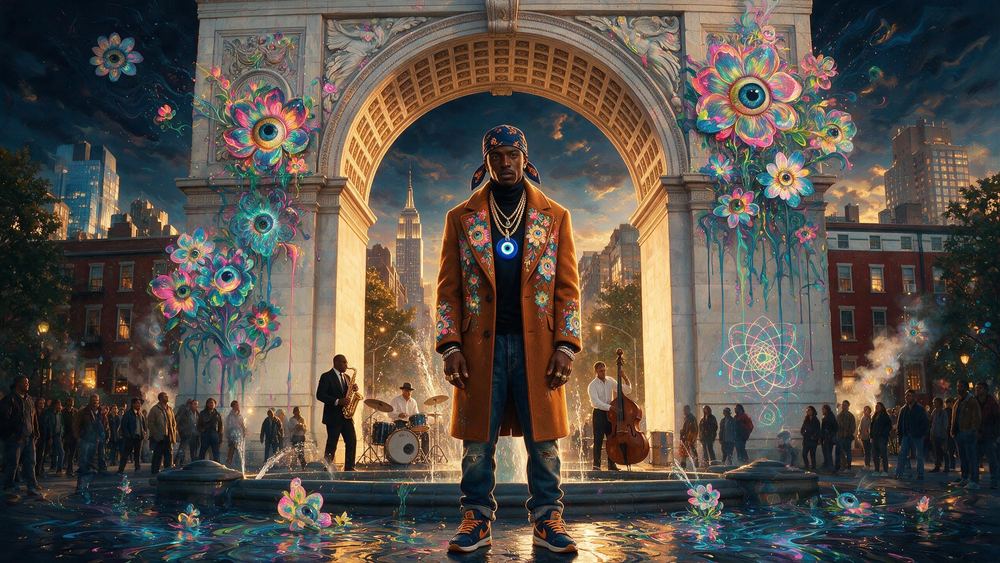
In the census
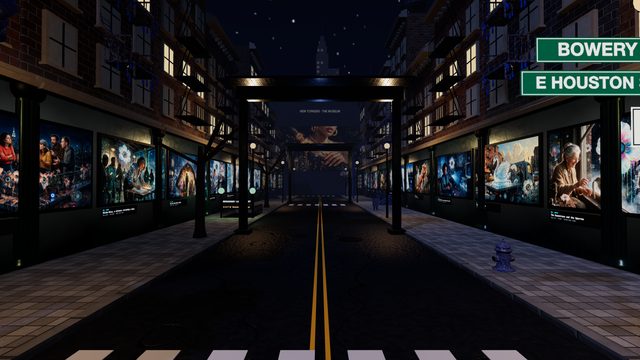
The Washington Square room paints the square where Perkins stood and the students and neighbors who pass the Brown Building each day. The Bowery room holds the tenement and garment district life that the Triangle workers came from, the peddlers, seamstresses and union hands of the Lower East Side. On the atlas, the pin at Washington Place and Greene Street marks the corner.
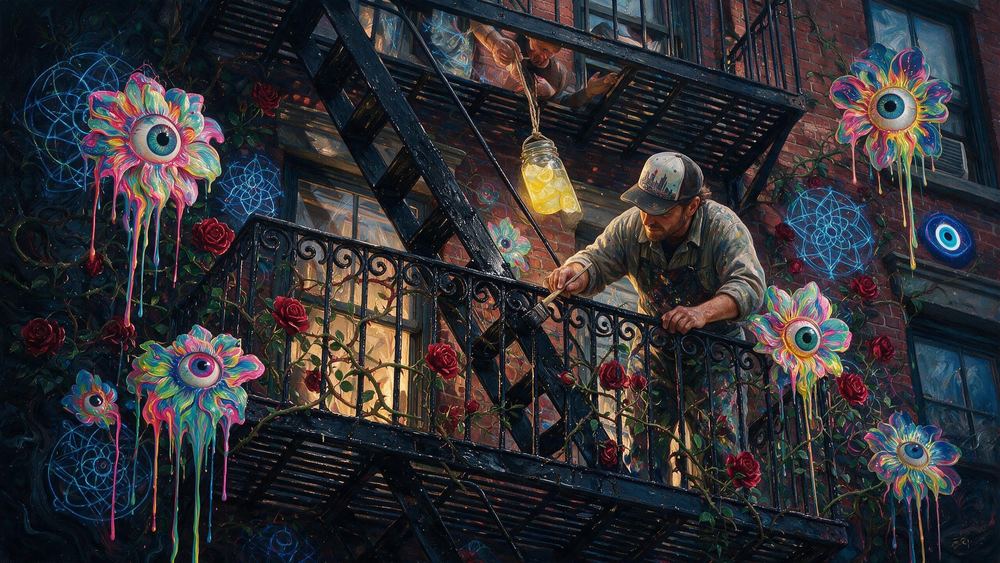

 LOWER MANHATTAN
How many people died in the Triangle Shirtwaist fire?
146 workers died on March 25, 1911: 123 women and girls and 23 men. Most were young immigrants from Italy and Eastern Europe.
Where was the Triangle Shirtwaist Factory?
On the top three floors of the Asch Building at Washington Place and Greene Street in Greenwich Village. The building still stands as New York University's Brown Building.
Were the Triangle factory owners punished?
Max Blanck and Isaac Harris were tried for manslaughter and acquitted in December 1911. A 1913 civil settlement paid about $75 per victim.
What changed after the Triangle fire?
The state's Factory Investigating Commission produced dozens of laws on fire safety, hours and working conditions. Frances Perkins, a witness to the fire, carried that agenda into the New Deal as Secretary of Labor.
- Cornell University ILR School, Remembering the Triangle Fireprimary
Victim list, trial transcripts, Commission records and primary documents - US Department of Laborprimary
Biography of Frances Perkins and the department's history - NYC Landmarks Preservation Commissionprimary
2003 designation report for the Brown Building - National Park Serviceprimary
National Historic Landmark listing - Library of Congressprimary
Newspaper coverage and photographs from 1911 - Britannicareference
General reference on the fire and its aftermath
Corrections are welcome. Write to the census at @degens on X and name the line. The reading room cites institutions, not the census; the census cites the reading room.