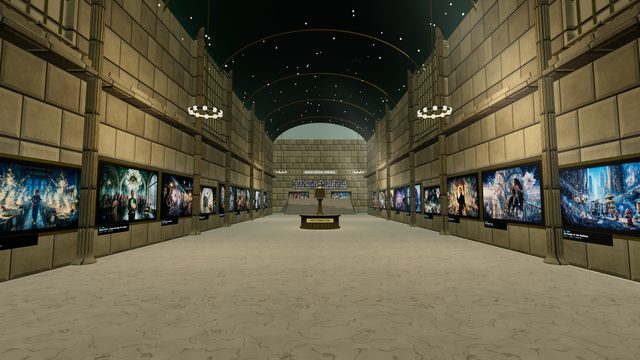
Smoke in the tunnel
On January 8, 1902 a New York Central train ran past signals in the smoke filled Park Avenue tunnel and struck a stopped train. Fifteen people died. The state responded with a law that banned steam locomotives from Manhattan south of the Harlem River after 1908. The railroad had to electrify or leave.
William J. Wilgus, the railroad's chief engineer, turned the order into a plan. Electric trains need no smoke vents, so the yards could go underground on two levels and the land above could be sold or leased. Wilgus called it taking wealth from the air. The office and hotel blocks along Park Avenue north of the terminal rose on those air rights.
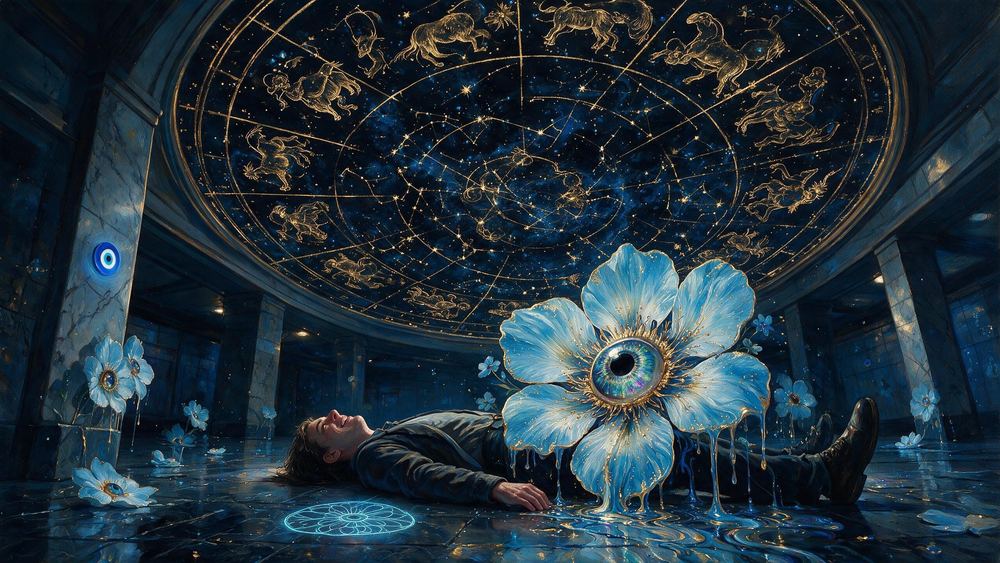
February 2, 1913
The old Grand Central Station came down while trains kept running. The new terminal opened on February 2, 1913. Reed and Stem laid out the ramps and the loop tracks, and Warren and Wetmore designed the Beaux Arts exterior and the main concourse. The terminal has more than 40 platforms on two levels, more than any other station in the world.
On the 42nd Street facade Jules Coutan's sculpture group, with Mercury at its center, surrounds a clock 13 feet across. Inside, ramps rather than stairs carry passengers from the street to the trains, and a four faced opal glass clock crowns the information booth at the center of the concourse.
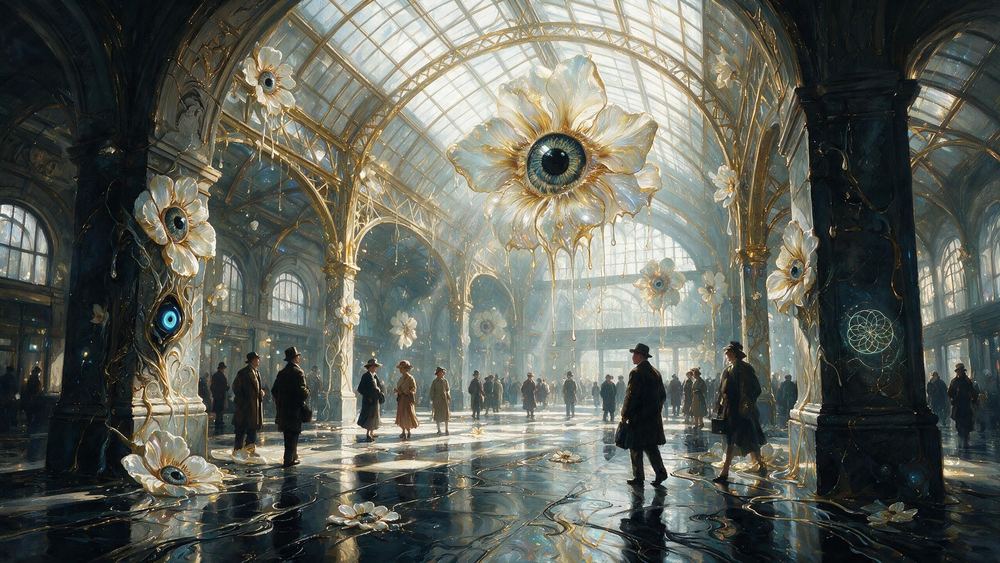
The ceiling
The concourse ceiling shows the winter sky in gold on green, with 2,500 stars, after a design by the French painter Paul César Helleu. The constellations appear reversed, as if seen from outside the heavens. A commuter noticed within weeks of the opening. The railroad kept the painting as it was.
Decades of soot and cigarette smoke blackened it. Restorers cleaned the ceiling in the 1990s and left one small dark rectangle in the northwest corner, near the crab of Cancer, to show how dirty it had been. The restoration of the whole terminal finished in 1998.

The case that saved it
The original Pennsylvania Station, McKim, Mead and White's building of 1910, was demolished beginning in October 1963. The loss moved the city to pass the Landmarks Law in 1965, and the Landmarks Preservation Commission designated Grand Central in 1967. The next year the terminal's owner, Penn Central, proposed a 55 story tower by Marcel Breuer above the concourse.
The Commission refused. Penn Central sued, arguing that the designation took its property without compensation. Preservationists, with Jacqueline Kennedy Onassis as the most visible voice, rallied to the terminal's defense. In Penn Central Transportation Co. v. New York City, decided in 1978, the Supreme Court upheld the landmarks law by a vote of 6 to 3. The decision remains the foundation of landmark law across the country.
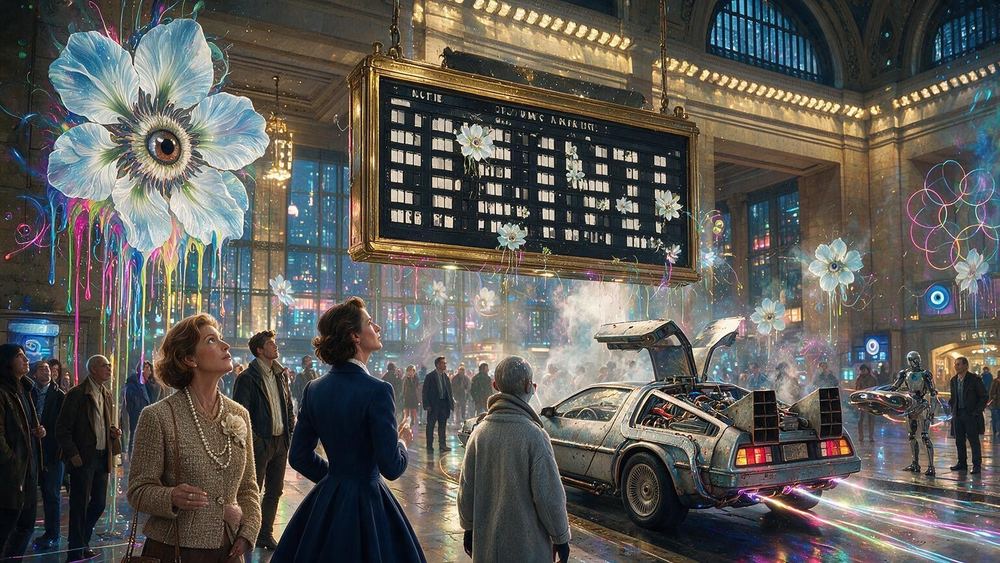
The terminal now
The Metro North Railroad has run the terminal since 1983. In January 2023 the Long Island Rail Road began service to Grand Central Madison, a new station built deep beneath the terminal. The National Park Service named Grand Central a National Historic Landmark in 1976.
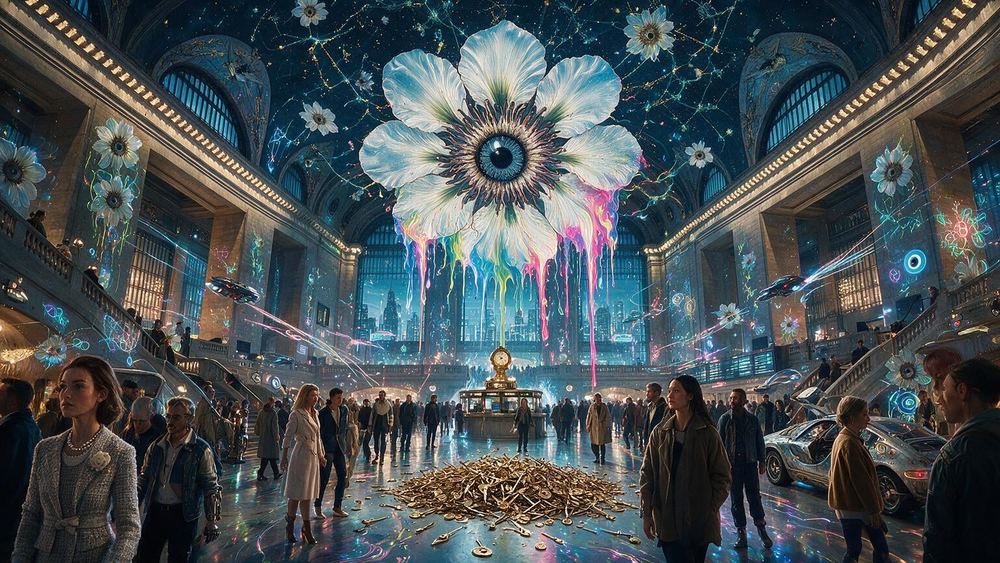
In the census
The Grand Central room paints the commuters under the painted sky: the people at the clock, the rail crews and the travelers on the ramps. The Penn Station room holds the other terminal and the memory of the one that was torn down. On the atlas the two stations sit twelve blocks apart on the map of Midtown, and the census places its rail characters at both.


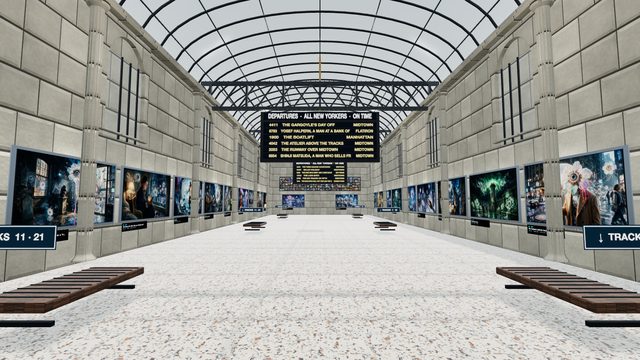 PENN / MOYNIHAN TRAIN HALL
When did Grand Central Terminal open?
February 2, 1913. It replaced an earlier Grand Central Station on the same site after the railroad electrified its lines.
Why is the Grand Central ceiling backwards?
The constellations are painted reversed, as if viewed from outside the sky. The error was noticed soon after the 1913 opening and was never changed.
What was the Grand Central Supreme Court case?
Penn Central Transportation Co. v. New York City, decided in 1978. The Court ruled 6 to 3 that the city's landmark designation, which blocked a tower over the terminal, did not take the owner's property unlawfully.
Is Grand Central a station or a terminal?
A terminal. Trains end their runs there rather than passing through, which is why it is named Grand Central Terminal.
- Grand Central Terminalinstitution
Official site with the terminal's history - MTAprimary
Operator of the terminal through the Metro North Railroad; Grand Central Madison - NYC Landmarks Preservation Commissionprimary
1967 designation and the landmarks law - National Park Serviceprimary
National Historic Landmark listing - Library of Congressprimary
Photographs of the terminal and of the old Pennsylvania Station - Britannicareference
General reference on the terminal and the 1978 Supreme Court case
Corrections are welcome. Write to the census at @degens on X and name the line. The reading room cites institutions, not the census; the census cites the reading room.