A gift with a deadline
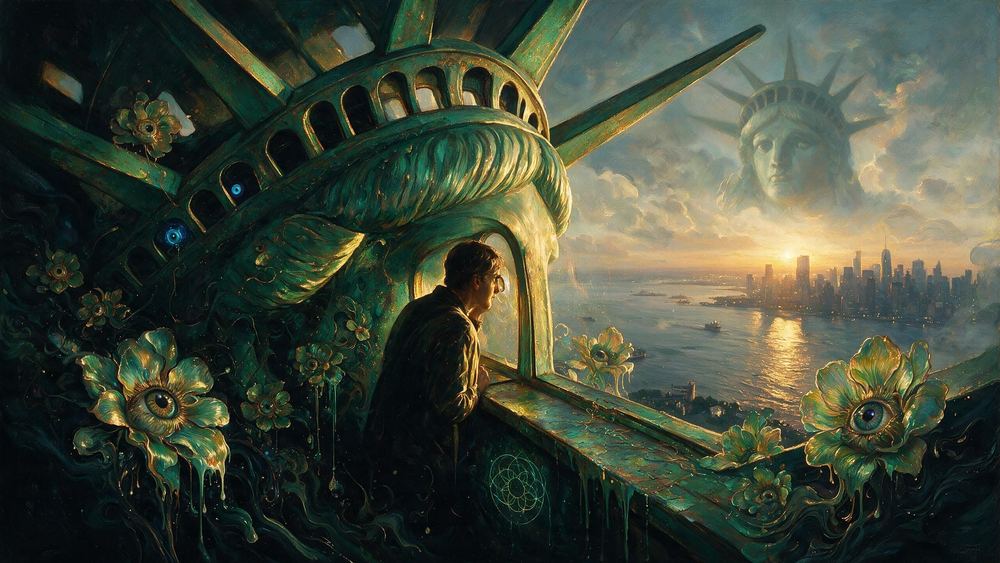
The idea came from Édouard de Laboulaye, a French scholar who admired the American republic and proposed a monument to mark the friendship of the two nations. The sculptor Frédéric Auguste Bartholdi took it on. France would pay for the statue; the United States would pay for the pedestal. Bartholdi chose Bedloe's Island, in the harbor every ship passed, on his first visit in 1871.
The statue is copper sheet, hammered thin over wooden forms and riveted to an iron skeleton. Gustave Eiffel, before his tower, designed that skeleton: a central pylon with a flexible secondary frame that lets the skin move with wind and temperature. Bartholdi finished the arm and torch first and showed it at the 1876 Centennial Exhibition in Philadelphia.
The pedestal and the poem
American fundraising stalled. Richard Morris Hunt designed a granite pedestal inside the star shaped walls of Fort Wood, but money ran out. In 1885 Joseph Pulitzer used his newspaper, the World, to ask ordinary readers for pennies and printed every donor's name. More than 120,000 people gave, and the pedestal was finished.
Emma Lazarus wrote the sonnet 'The New Colossus' in 1883 for an auction that raised pedestal money. It was largely forgotten until 1903, when a bronze plaque with the poem was placed inside the pedestal. Its lines became the statue's meaning for the people arriving past it.
Give me your tired, your poor, your huddled masses yearning to breathe free.Emma Lazarus, The New Colossus, 1883
October 28, 1886
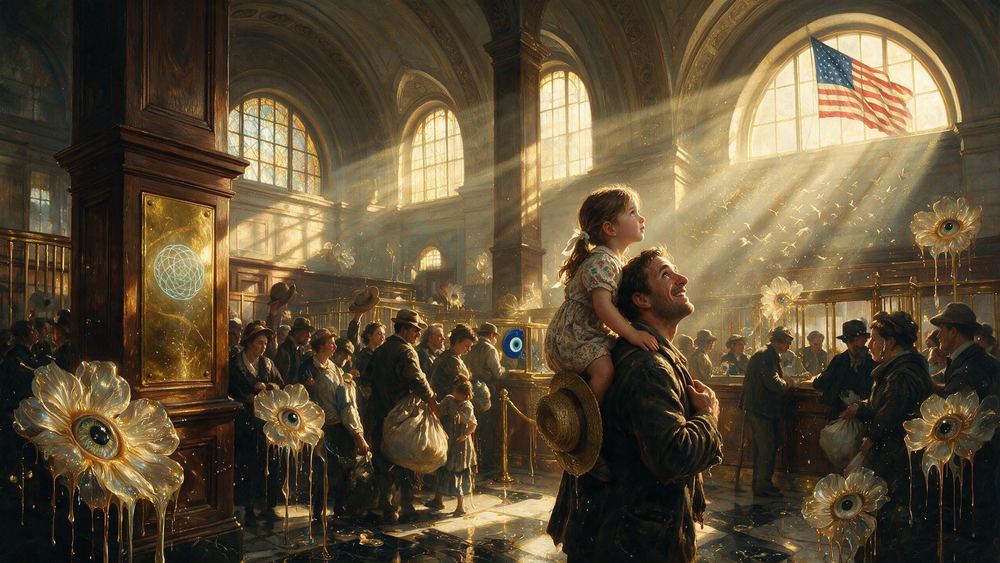
The statue crossed the Atlantic in 1885 aboard the French ship Isère, packed in 214 crates. Crews reassembled it on the pedestal, and President Grover Cleveland dedicated it on October 28, 1886. The figure stands 151 feet 1 inch from base to torch; from the ground to the tip of the flame it is 305 feet. The tablet in her arm reads July IV MDCCLXXVI, and the crown has seven rays.
The copper turned green within decades. Congress made the island a national monument in 1924, renamed it Liberty Island in 1956, and the National Park Service has run it since 1933. It became a UNESCO World Heritage Site in 1984.
Ellis Island, 1892 to 1954
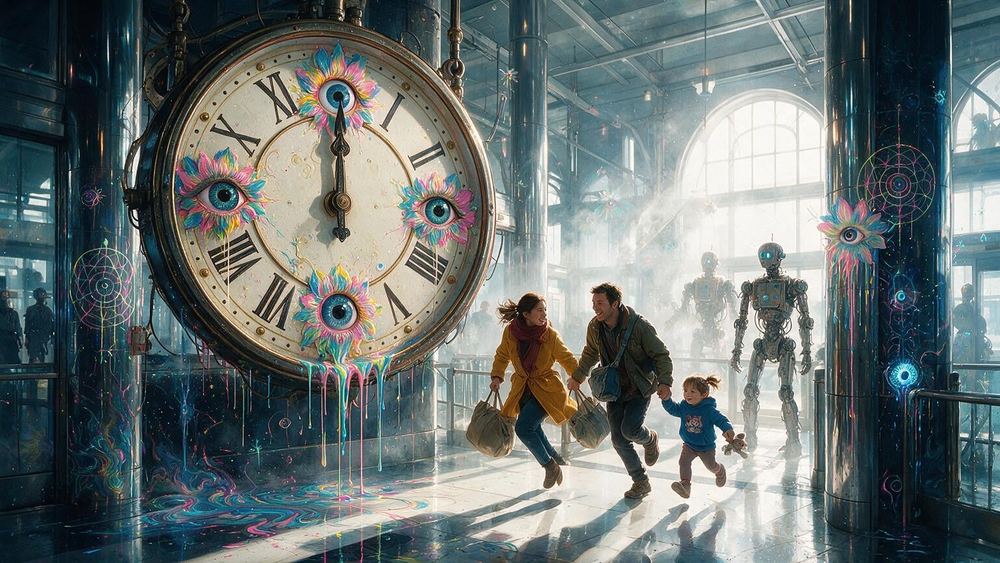
Federal immigration inspection opened on Ellis Island on January 1, 1892. The first arrival recorded was Annie Moore, a girl from County Cork, Ireland. The wooden station burned in 1897, and the brick and limestone building by the architects Boring and Tilton opened on December 17, 1900. Its Registry Room, under a Guastavino tile vault, is where inspectors questioned newcomers.
About 12 million immigrants passed through the island before it closed on November 12, 1954. The peak came in 1907, when more than 1,000,000 arrived. Most were inspected in a few hours. Roughly 2 percent were turned back, for disease or for the likelihood of becoming a public charge. First and second class passengers were usually cleared aboard ship and never saw the Registry Room. Quota laws in 1921 and 1924 cut arrivals sharply and moved inspection to consulates abroad.
The island stood empty for decades. It joined the Statue of Liberty National Monument in 1965, and the restored main building opened as a museum on September 10, 1990.
In the census
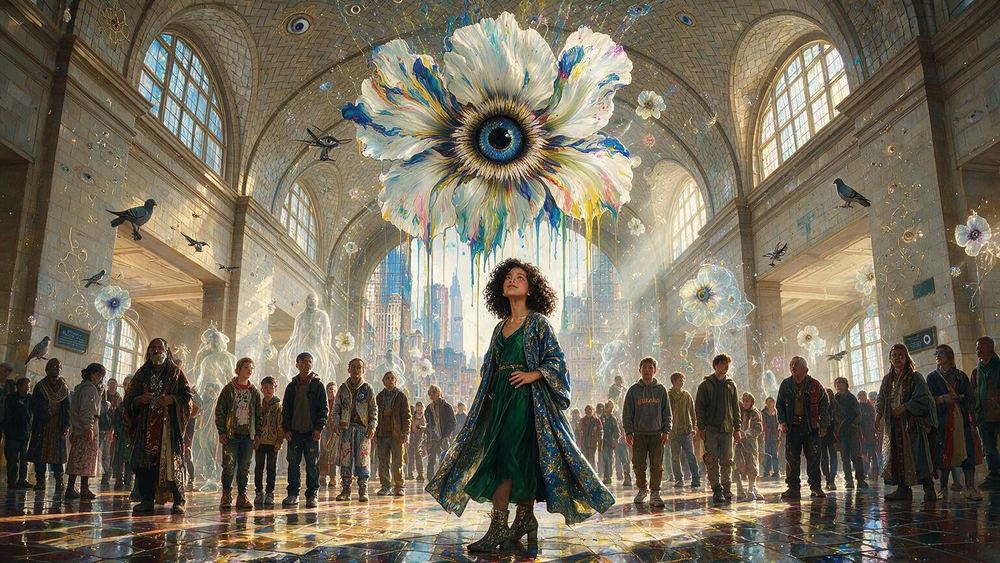
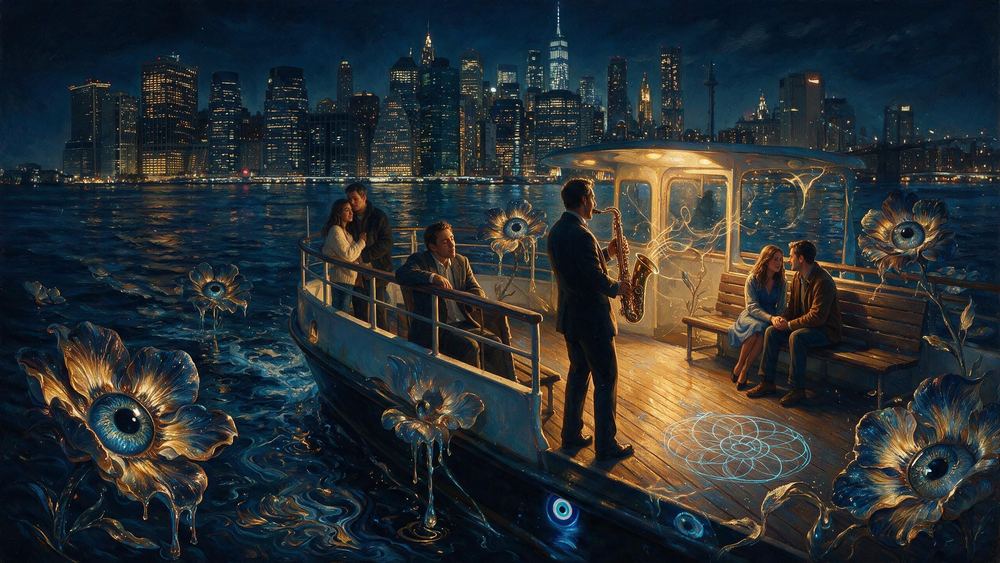
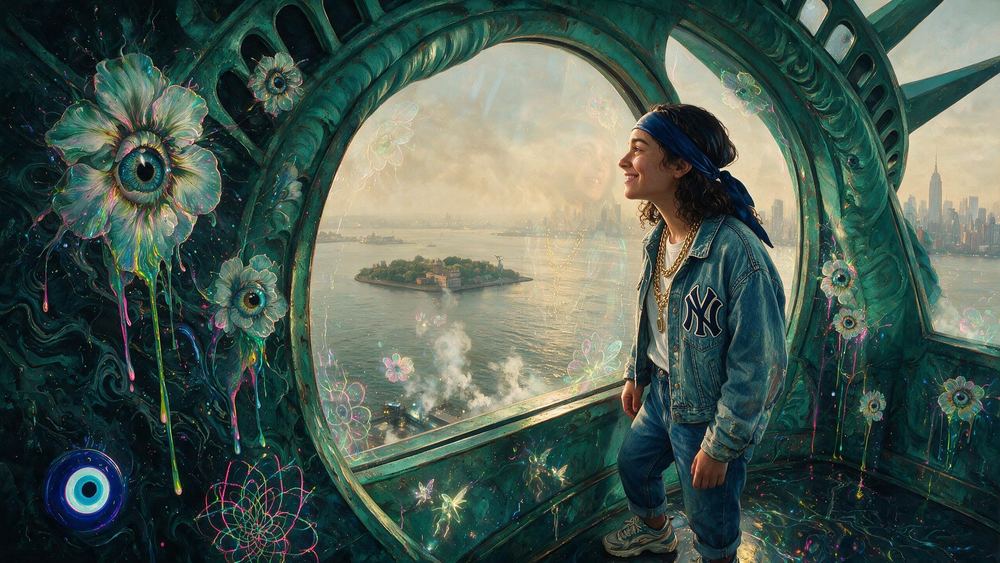
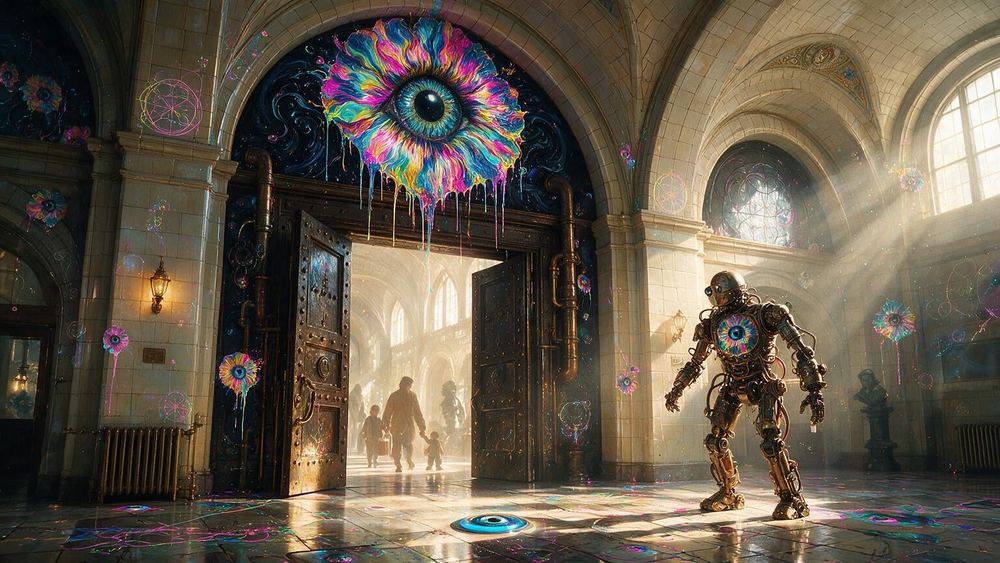
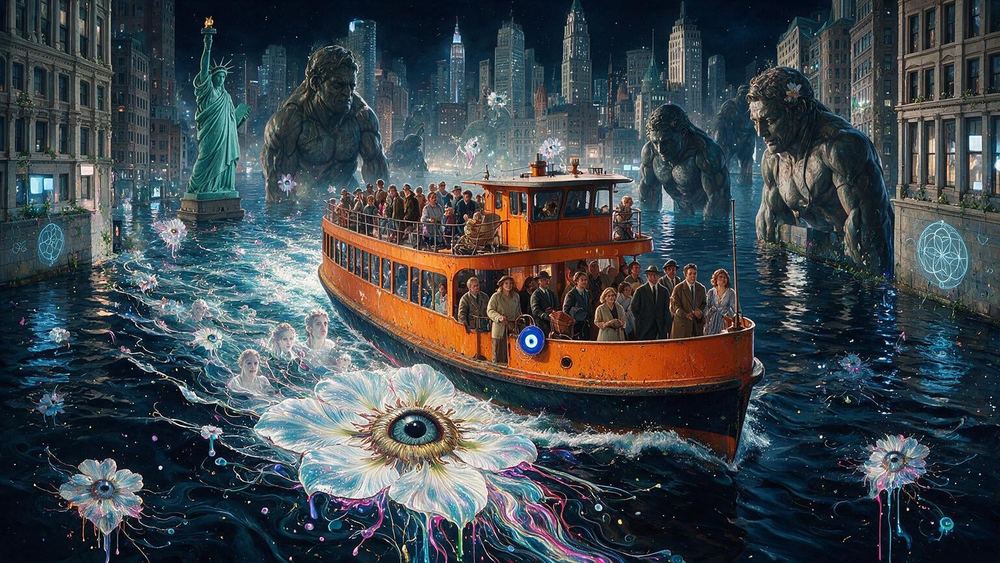
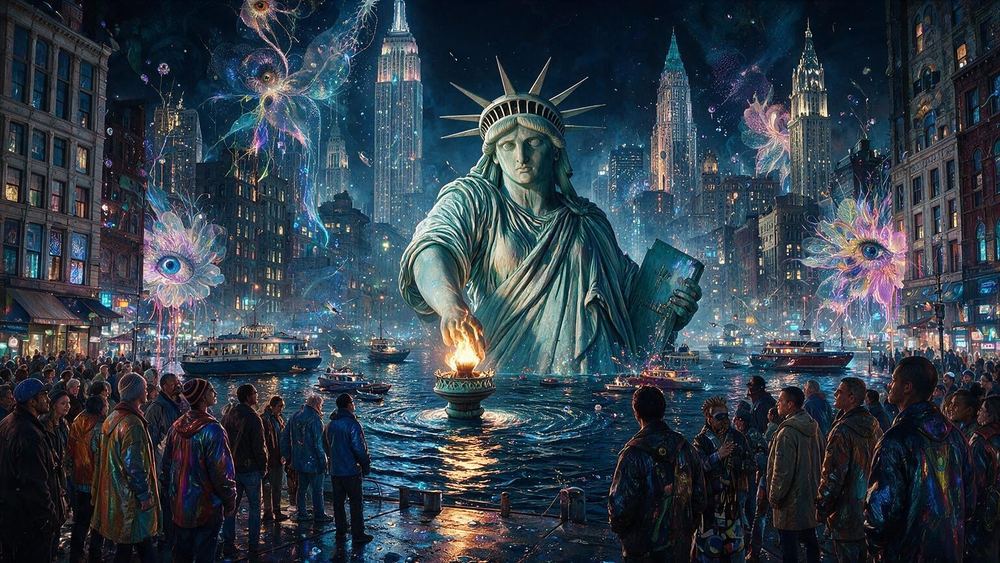
The Liberty room and the Ellis room hold the arrivals: the families at the rail, the inspectors, the interpreters and the ferry crews who worked the harbor. The Ferry room paints the Staten Island Ferry riders who still pass the statue every half hour, free of charge since 1997. On the atlas the harbor pins mark Liberty Island, Ellis Island and the ferry terminals at Whitehall and St. George.
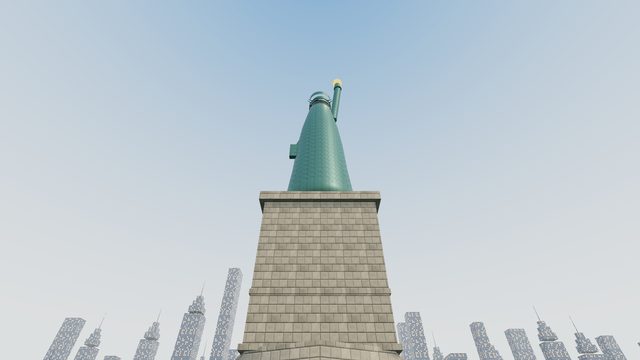 LIBERTY ISLANDThe climb to the crown
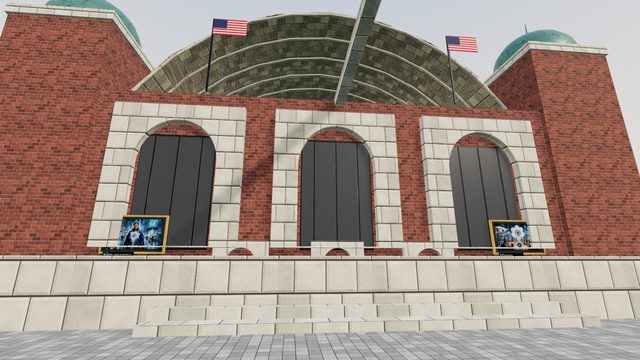 ELLIS ISLANDThe registry room
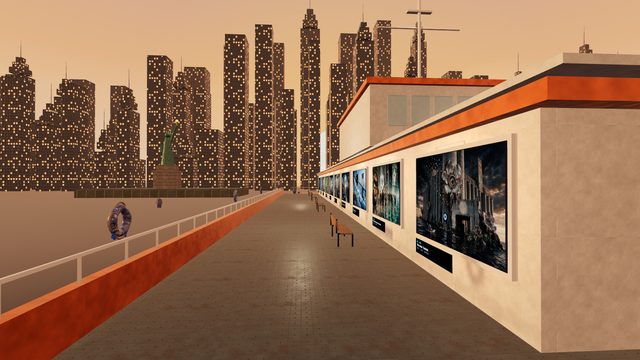 STATEN ISLAND FERRYThe harbor crossing
Who gave the Statue of Liberty to the United States?
The people of France. Édouard de Laboulaye proposed it, Frédéric Auguste Bartholdi sculpted it, and American donors paid for the pedestal.
Did Gustave Eiffel design the Statue of Liberty?
He designed the iron skeleton inside it, not the figure. Bartholdi designed the sculpture and its copper skin.
How many immigrants came through Ellis Island?
About 12 million between 1892 and 1954. The busiest year was 1907, with more than 1,000,000 arrivals.
Can you visit Ellis Island?
Yes. The main building is a museum run by the National Park Service, reached by ferry from Battery Park in Manhattan or Liberty State Park in New Jersey.
Where is 'Give me your tired, your poor' from?
From 'The New Colossus,' a sonnet Emma Lazarus wrote in 1883 to raise money for the pedestal. A plaque with the poem has hung inside the pedestal since 1903.
- National Park Service, Statue of Liberty National Monumentprimary
Official history, dimensions and dates for the statue - National Park Service, Ellis Islandprimary
Official history of the immigration station - Statue of Liberty Ellis Island Foundationinstitution
Passenger records and museum history - Library of Congressprimary
Emma Lazarus papers, period photographs and newspapers - NYC Department of Transportationprimary
Staten Island Ferry operations - Britannicareference
General reference on the statue and Ellis Island
Corrections are welcome. Write to the census at @degens on X and name the line. The reading room cites institutions, not the census; the census cites the reading room.