October 27, 1904
At 2:35 on the afternoon of October 27, 1904, Mayor George B. McClellan Jr. took the controls of the first train at City Hall station. He was meant to hand them to a motorman after a short run. He kept driving most of the way uptown. That evening the public paid a nickel apiece and rode until after midnight.
The first line ran 9.1 miles from City Hall north under Lafayette Street and Park Avenue to Grand Central, west under 42nd Street to Times Square, then north under Broadway to 145th Street. It had 28 stations. The company that built and ran it was the Interborough Rapid Transit Company, the IRT.
Digging the tunnel
The city already had trains in the air. Elevated railroads had run on iron trestles over Second, Third, Sixth and Ninth Avenues since the 1870s, and they darkened the streets beneath them and shook the buildings beside them. Planners wanted a line that was faster and out of sight. The answer was to go under the street and to give the new line four tracks, two for local trains and two for express.
The state's Rapid Transit Act of 1894 let the city build a subway with public money and lease it to a private operator. William Barclay Parsons served as chief engineer. Contractor John B. McDonald won the bid, and financier August Belmont Jr. backed him. Ground broke on March 24, 1900 in front of City Hall.
Crews used cut and cover. They opened the street, dug a trench, built a steel and concrete box, and put the street back. Most stations sat just below the surface, so passengers walked down a short flight of stairs. Tiled name plaques and mosaics by the design firm Heins and LaFarge decorated the stations, and City Hall station had vaulted Guastavino tile and skylights.
Three systems
The IRT was one of three. In Brooklyn the Brooklyn Rapid Transit Company ran elevated and surface lines and later became the Brooklyn Manhattan Transit Corporation, the BMT. The Dual Contracts of 1913 split a vast expansion between the IRT and the BRT and pushed lines into every borough except Staten Island.
The city built the third system itself. The Independent Subway System, the IND, opened its first line under Eighth Avenue on September 10, 1932. Its stations were plain and its trains were wider than the IRT's. That is why the numbered lines and the lettered lines still use different cars today.
The nickel and unification
The fare stayed at five cents from 1904 until 1948, through two wars and a depression. The frozen fare drained the private companies. In June 1940 the city bought the BMT and the IRT and folded them into the IND under the Board of Transportation. The fare rose to ten cents on July 1, 1948. The Metropolitan Transportation Authority has run the system since 1968.
The map
Each company printed its own map until unification. In 1972 the MTA issued Massimo Vignelli's diagram, which drew every line as a straight or 45 degree colored stroke and set stations as dots. Riders complained that it bent the city. In 1979 a committee led by John Tauranac replaced it with a geographic map, the ancestor of the one in stations now. The system today has 472 stations and runs 24 hours a day.

In the census
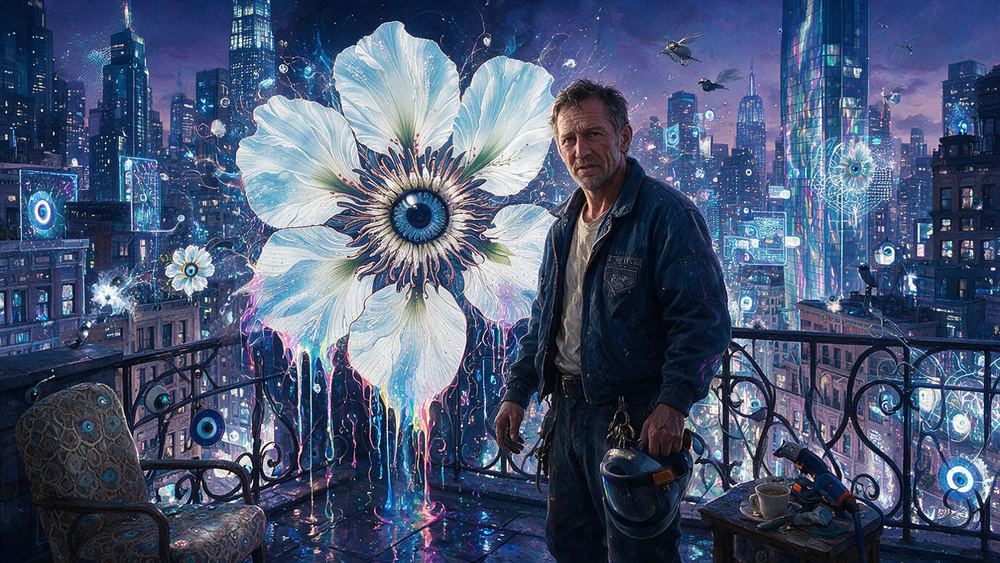
The Subway room hangs the Underground family: the conductors, the straphangers, the platform musicians and the late night riders. The Grand Central and Penn Station rooms hold the commuters who pass through the two terminals that the first line and the later lines were built to serve. On the atlas the subway characters cluster along the old IRT route from City Hall to Harlem, and along every line that followed.
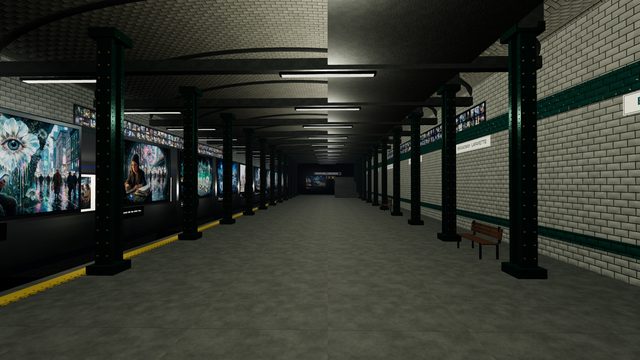 THE SUBWAYBelow the city
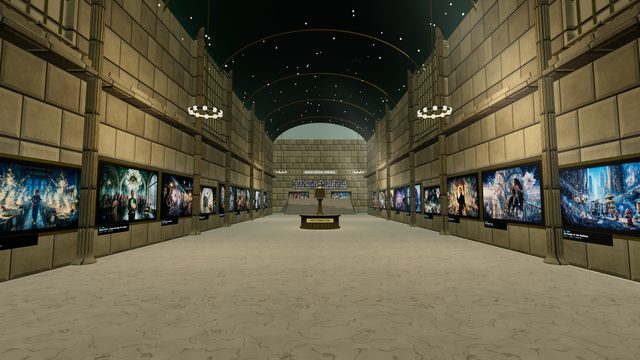 GRAND CENTRAL TERMINALUnder the stars
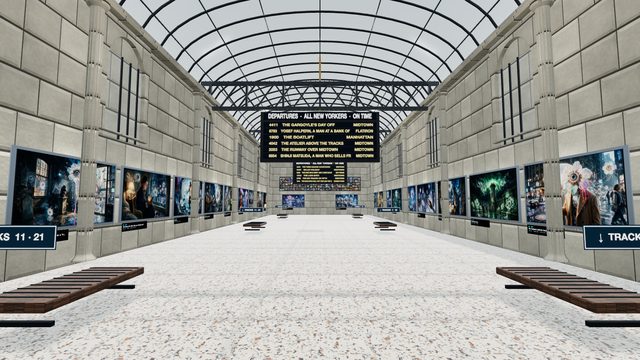 PENN / MOYNIHAN TRAIN HALLArrivals / departures
When did the New York City subway open?
October 27, 1904. The first line, run by the IRT, went from City Hall to 145th Street and Broadway. Mayor George B. McClellan Jr. drove the first train.
How much was the first subway fare?
Five cents. The nickel fare lasted until 1948, when it rose to ten cents.
What do IRT, BMT and IND mean?
They were the three original systems: the Interborough Rapid Transit Company, the Brooklyn Manhattan Transit Corporation and the city owned Independent Subway System. The city unified them in 1940.
Why are some subway lines numbers and some letters?
Numbered lines run on the old IRT routes, which have narrower tunnels and cars. Lettered lines run on the former BMT and IND routes, built for wider trains.
- MTAprimary
Official operator; system facts, history and maps - New York Transit Museuminstitution
Collections on the IRT, BMT and IND and the fare history - NYC Landmarks Preservation Commissionprimary
Designation reports for City Hall station and other subway interiors - Library of Congressprimary
Newspaper coverage of the 1904 opening and construction photographs - Britannicareference
General reference on the New York City subway
Corrections are welcome. Write to the census at @degens on X and name the line. The reading room cites institutions, not the census; the census cites the reading room.