Longacre Square
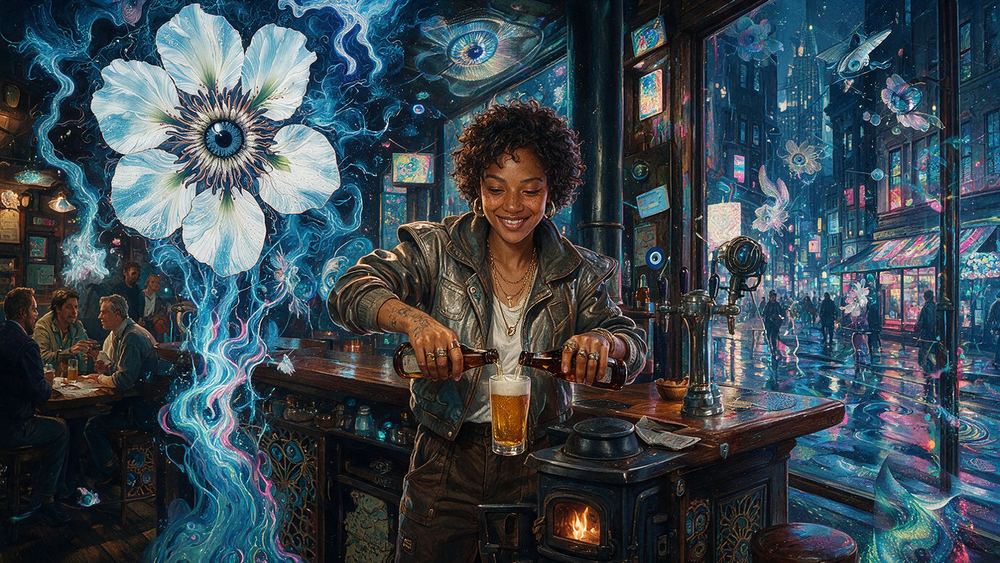
Before 1904 the crossing of Broadway and Seventh Avenue at 42nd Street was Longacre Square, named for the carriage district of London. It was the city's horse trade: stables, carriage shops, harness makers. Theaters had begun moving north up Broadway toward it in the 1890s, but the square itself was a place to buy a horse.
In 1904 the New York Times moved from Park Row to a new tower on the triangle between Broadway and Seventh Avenue at 42nd Street. The publisher, Adolph S. Ochs, persuaded the city to rename the square for the paper, and the city did so in April 1904. The first subway opened on October 27, 1904, with a station named Times Square, and the name was fixed.
The first ball, 1907
Ochs celebrated the new building on December 31, 1904, with fireworks from the roof at midnight. The crowd was large enough that the party replaced the old custom of gathering at Trinity Church to hear the bells. After a few years the city banned the fireworks, and Ochs needed something else.
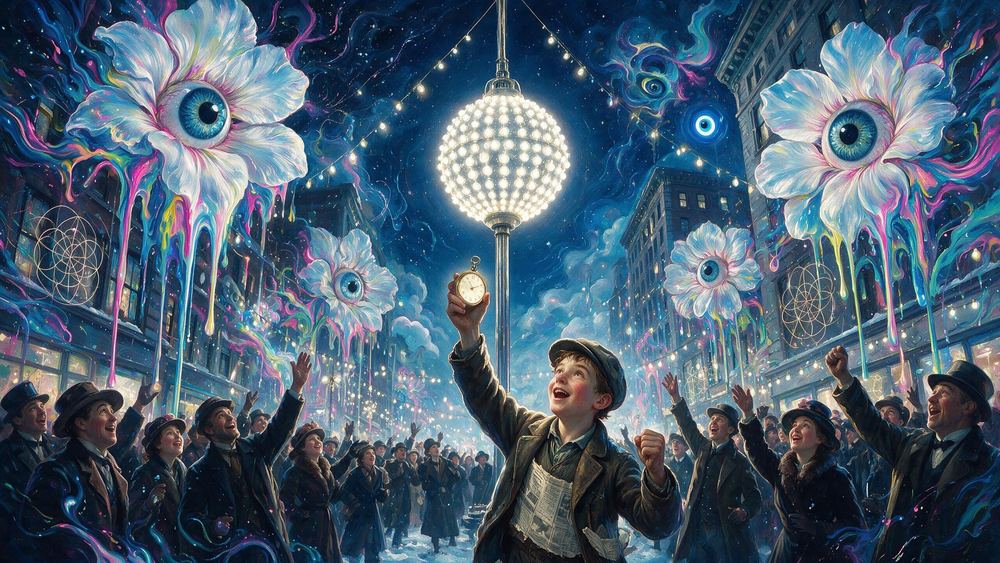
On December 31, 1907, a ball of iron and wood, five feet across, weighing 700 pounds and lit by 100 bulbs, slid down the flagpole on the roof of One Times Square at midnight to welcome 1908. Jacob Starr, an immigrant metalworker, built it. The idea came from the time balls that ports dropped to signal the hour to ships.
The ball has dropped every year since except 1942 and 1943, when the city dimmed its lights for the war and the crowd stood in silence for a minute at midnight. The Times left the tower in 1913 for 43rd Street. The ball stayed.
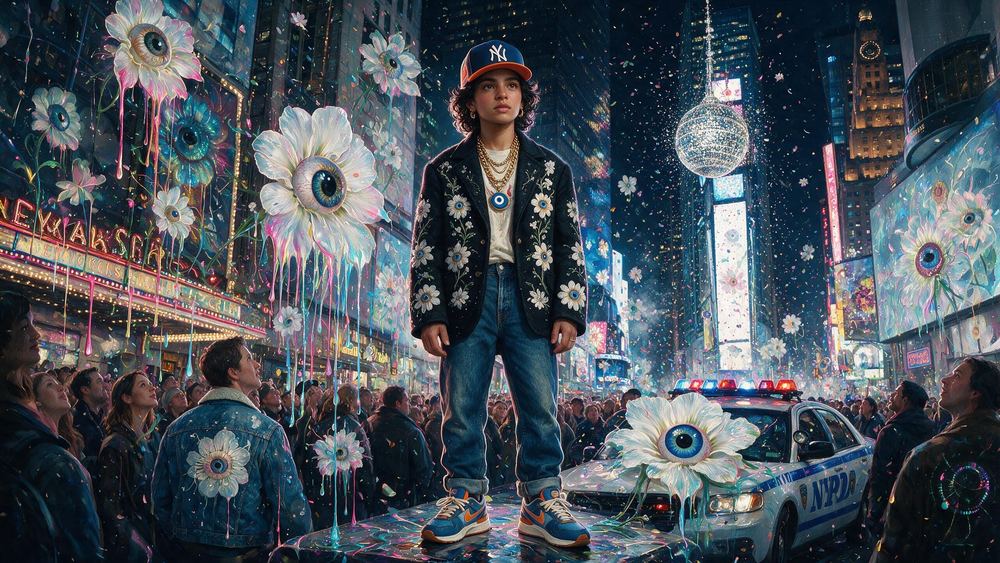
The square in the twentieth century
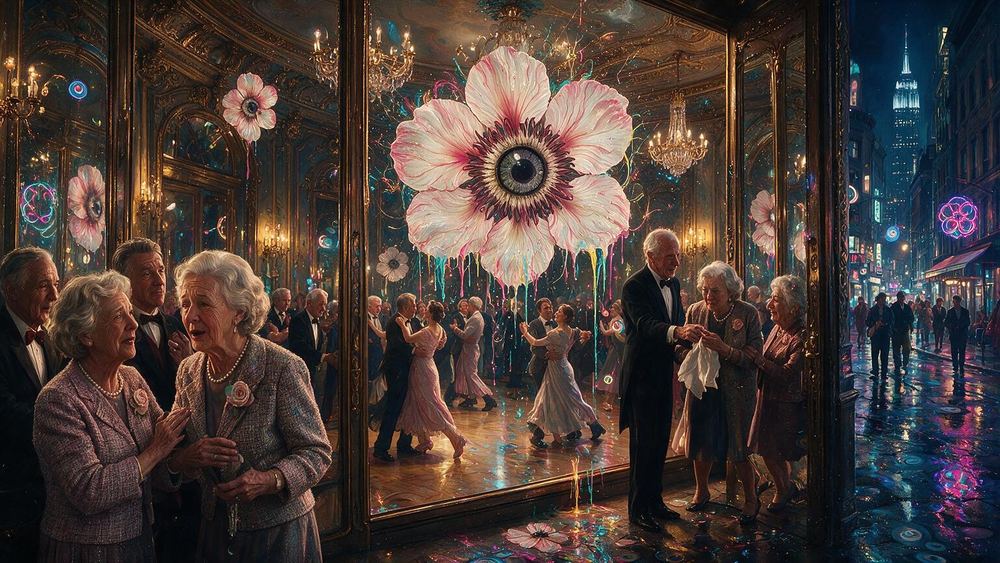
Times Square became the theater district's front door and then the city's billboard. Electric signs went up before 1910, and by the 1920s the stretch of Broadway was known as the Great White Way for its lights. Radio City Music Hall opened at Rockefeller Center on December 27, 1932, with 5,960 seats, and the Rockettes have danced there since its first season.
After World War II the square declined. Theaters on 42nd Street turned to grind house films and then to pornography. By the 1970s the block was a byword for crime, and city officials counted it among the most dangerous streets in the city.
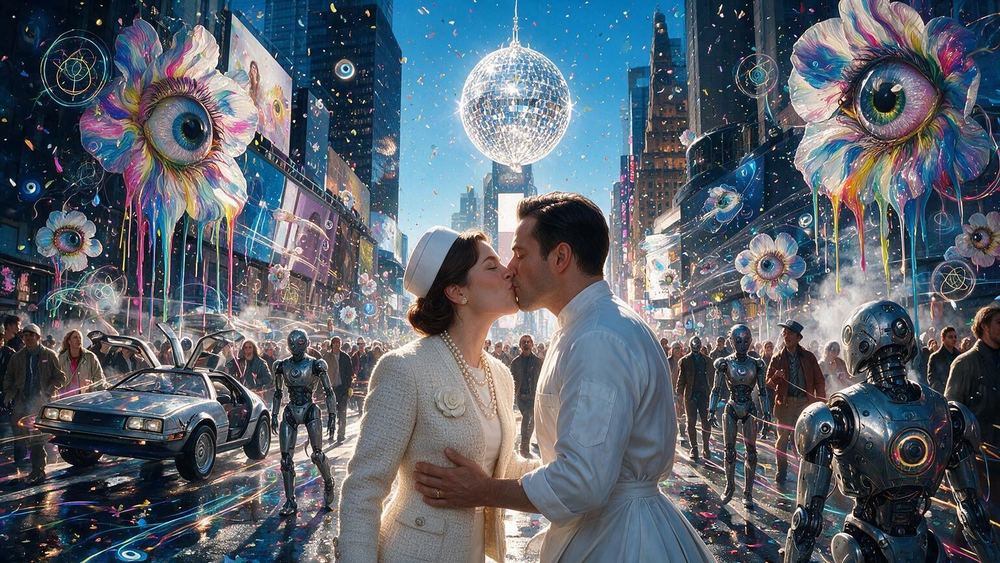
The remake of the 1990s
The 42nd Street Development Project, a state and city plan, condemned the block between Seventh and Eighth Avenues in the early 1990s and leased its theaters to new tenants. The New Victory Theater reopened in 1995, the first of the restored houses. The Walt Disney Company took the New Amsterdam Theatre, restored it and reopened it in 1997. The Times Square Business Improvement District, formed in 1992, put sanitation crews and security on the street; it is now the Times Square Alliance.
Zoning rules for the district required the new towers to carry lit signs, so the remade square kept its glare by law. Pedestrian plazas closed Broadway to cars through the square in 2009. The square now counts hundreds of thousands of pedestrians a day.
The ball changed with the square. A crystal ball replaced the old one for the 2000 celebration, and the current ball, 12 feet across and covered in Waterford crystal, sits on the roof of One Times Square all year.
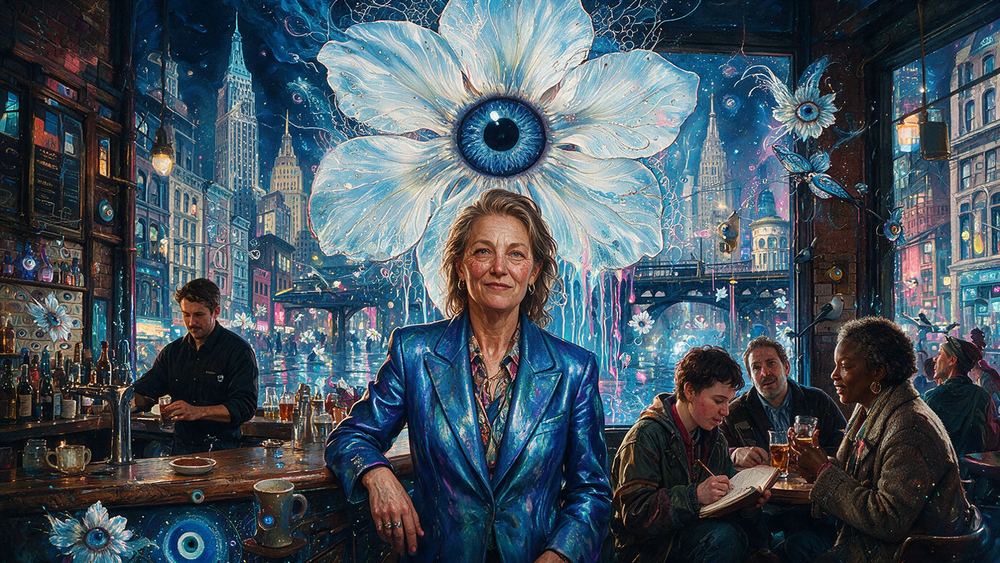
In the census
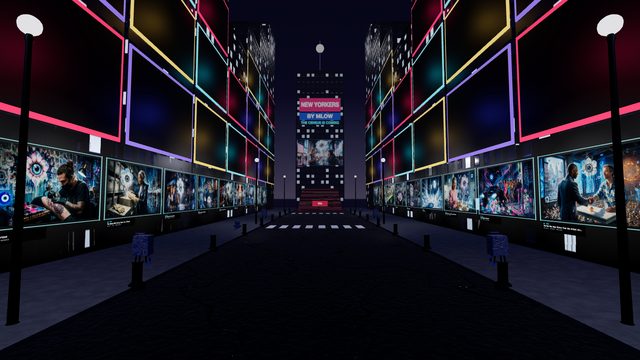
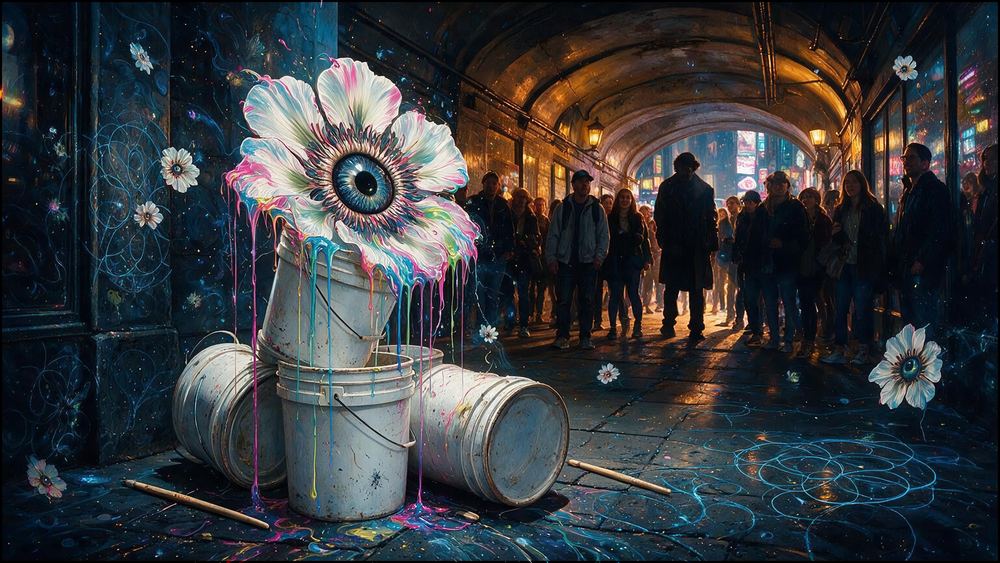
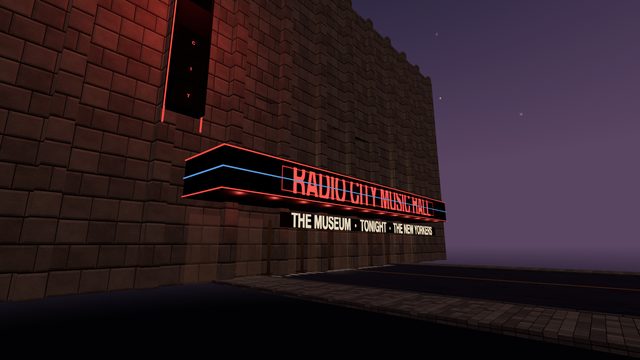
The Times Square room of the museum hangs the census characters of the crossroads: the costumed hustlers, the tourists in the plaza, the ticket line, the stagehands. The Radio City room holds the ushers and the dancers. The atlas at map.html pins each to the corner where the painting sets them.
 RADIO CITY MUSIC HALL
Why is it called Times Square?
The New York Times moved to a new tower on the square in 1904, and the city renamed Longacre Square for the paper that April. The subway station that opened in October 1904 carried the name too.
When was the first ball drop?
December 31, 1907, to welcome 1908. The first ball was iron and wood, 700 pounds, lit by 100 bulbs, and slid down a flagpole on the roof of One Times Square.
Has the ball ever not dropped?
Yes, in 1942 and 1943. The city dimmed its lights for the war and the crowd marked midnight with a minute of silence instead.
When did Times Square clean up?
Through the 1990s. The 42nd Street Development Project condemned the block of theaters, the New Victory reopened in 1995 and the New Amsterdam in 1997, and a business improvement district formed in 1992 to manage the street.
- Times Square Allianceinstitution
History of the square and of the New Year's Eve ball - MTAinstitution
Opening of the subway in 1904 - Radio City Music Hallinstitution
Opening and history of the hall - New York Public Libraryinstitution
Theater collections and photographs of Times Square - Library of Congressinstitution
Photographs and newspapers of Longacre Square and Times Square - Britannica, Times Squarereference
Overview of the square's history and redevelopment
Corrections are welcome. Write to the census at @degens on X and name the line. The reading room cites institutions, not the census; the census cites the reading room.